My child is being bullied about their weight. What do I do now?
When a child is bullied about their weight, a parent’s first move matters most. What to say at home, what to ask the school, and what to avoid.
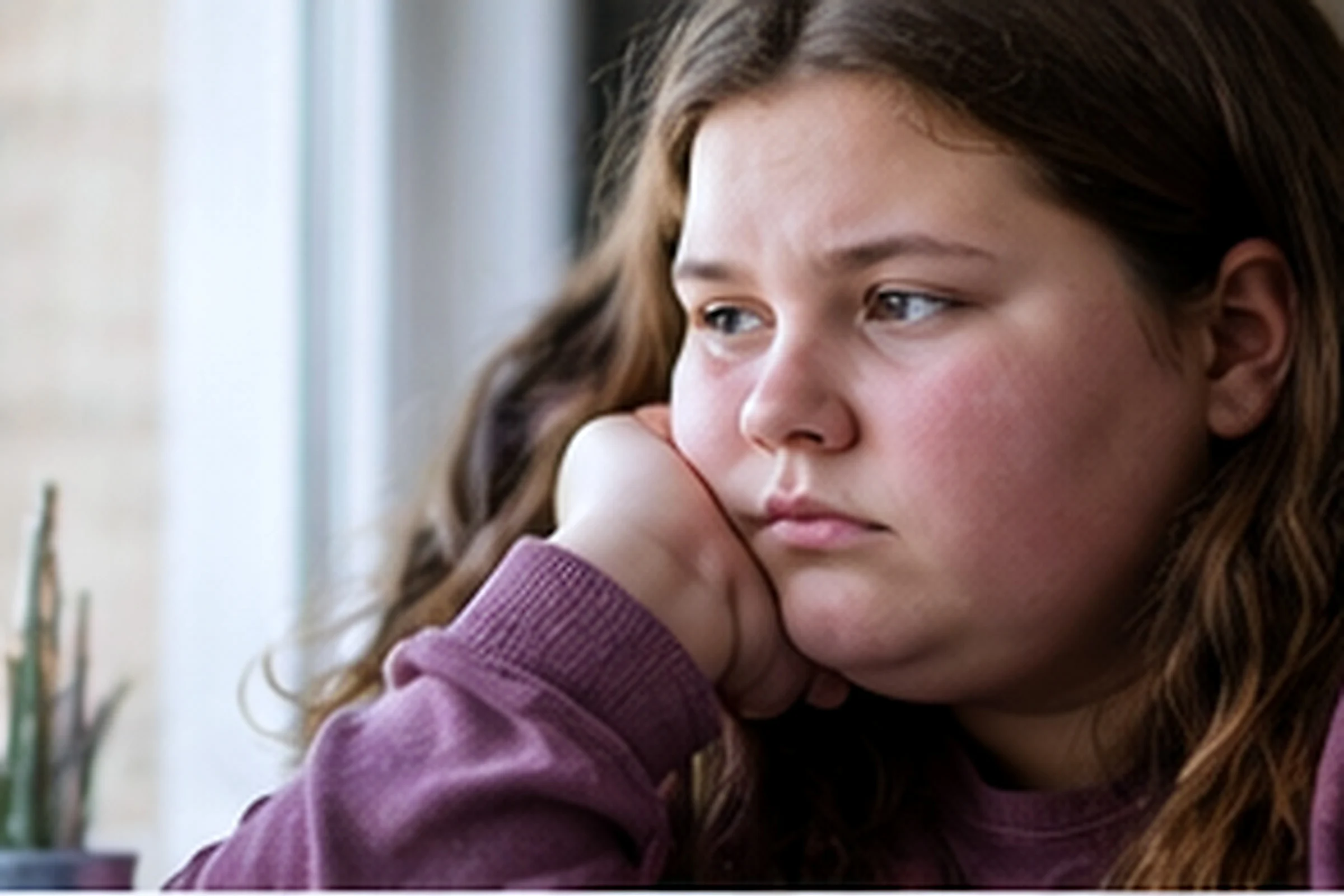
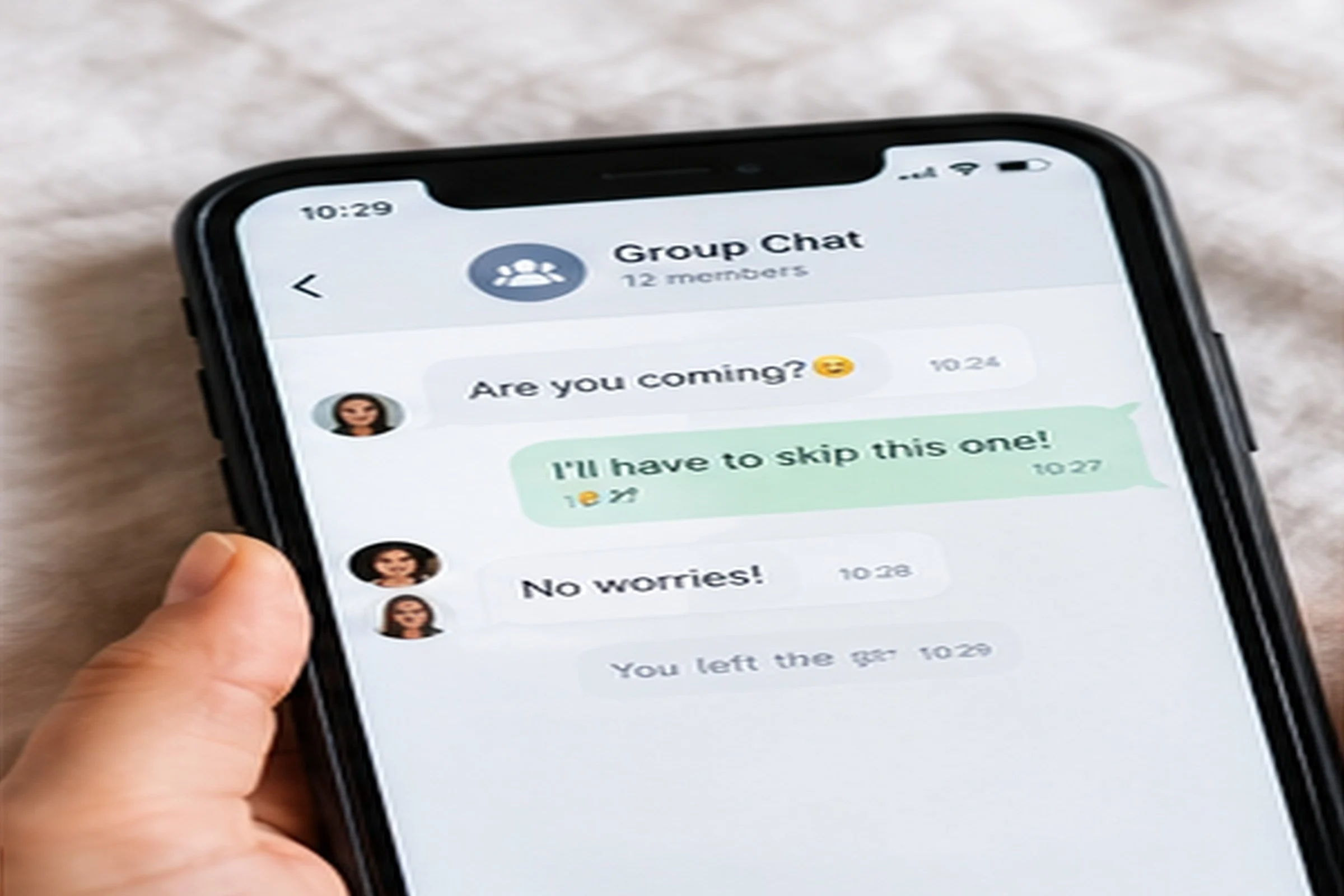
It rarely arrives as an announcement. It comes sideways. A child who suddenly doesn’t want to go swimming. A PE kit that keeps being forgotten. A question at bedtime — am I fat? — asked in a voice working very hard to sound casual. Sometimes it is a screenshot you were never meant to see, or a phone call from a teacher who is choosing every word with care.
However you find out, the first thing most parents feel is heat. Someone has hurt your child, and they have done it by aiming at the body you have fed and bathed and carried to the doctor since before they could walk. The urge to fix it tonight is overwhelming, and it is love.
The difficulty is that the fix most of us reach for first is the one that does the most damage.
Please don’t start with the diet
It is a completely human thought: if my child lost some weight, would this stop? Hold it, for now, and do not act on it. A child who has spent the day being mocked for their body and comes home to find the cupboards quietly changed hears only one thing — that the people mocking them were right.
This isn’t sentiment. In guidance written for the parents of adolescents, the American Academy of Pediatrics advises against encouraging dieting, against “weight talk” about a child’s body or a parent’s own, and against ever teasing about weight, and suggests keeping conversations about food on eating well rather than on size. Its statement on weight stigma is blunter still: rather than motivating children, stigma is linked to binge eating, social isolation, avoiding medical care, doing less physical activity and gaining more weight. Shame does not make children healthier. It makes them hide.
If you have real questions about your child’s health, they deserve a real answer from your child’s doctor. Have the first part of that conversation on your own, so your child is not listening to adults discuss their body in the same week the playground has been discussing it.
The first conversation
Your job in this conversation is mostly to listen. What happened, where, who was there, how long it has been going on. Ask it the way you would ask about anything else that matters — in the car, over something you are doing together — rather than as a hearing with your child in the witness box.
Then say the thing that sounds too obvious to need saying: this is not your fault. StopBullying.gov, the US government’s guidance for families, tells parents to make exactly this clear, and with good reason. Children who are picked on for their bodies very often believe the problem is the body.
Some of the replies that come most naturally are worth leaving out:
- “Just ignore them.” They almost certainly have been, for longer than you know.
- “They’re only jealous.” Your child can tell this isn’t true, and now they know you won’t engage with what is.
- “You’re not fat, you’re beautiful.” Meant with every kindness, it quietly agrees that fat would be a disaster. The problem is not the word. The problem is that someone used your child’s body as a weapon against them.
Better, and simpler: “I’m so glad you told me. Nobody gets to treat you like that. We’re going to deal with it together.” And then ask what they want to happen, because the fear underneath many children’s silence is that telling an adult will make everything worse. Including them in the next step is how you prove it won’t.
Taking it to the school
Before you contact anyone, write it down: dates, names, places, the words used, screenshots of anything online. It feels clinical when your child is upset, but a written record is what turns “my child is unhappy” into a pattern a school has to act on. StopBullying.gov makes the same point: documentation gives you a history of what happened and how each incident was handled.
Then ask for a meeting, and be specific. Where does it happen? The answer is often predictable. When researchers surveyed around 1,500 students at two American high schools, at least 84 per cent had seen heavier classmates teased in a mean way, and teased during physical activities, and most had watched them being ignored, excluded, gossiped about or teased in the cafeteria. The changing room, the sports field and the lunch queue are where this lives. Ask what the school will change in those places specifically — supervision, changing arrangements, seating — and ask how weight-based bullying is covered by its anti-bullying policy.
Agree what will happen next and when you will hear back. Keep a note of that too. If the response is warm words and nothing else, the record you have been keeping is how you escalate.
Not all of it comes from children
This is the uncomfortable part. In a study of 361 teenagers at two American weight-loss camps, 64 per cent reported being victimised about their weight at school. Peers and friends were named most often. But adults were named too: PE teachers and coaches by 42 per cent, parents by 37 per cent, teachers by 27 per cent. More than a third said it had gone on for five years.
That was a particular group of young people, and the numbers would not be the same in every classroom. But the pattern is worth sitting with. If your child is being hurt about their weight outside the house, it is worth checking — honestly, and without self-punishment — what they hear about bodies inside it. That includes the remarks adults make about their own. The family is often where this lesson starts, and when a relative is the one making remarks, there are ways to answer that protect your child without starting a war.
Watch what it is costing them
Weight-based teasing is not a rite of passage that children shake off. In a large study of about 4,500 American teenagers, those teased about their weight were more likely to report low body satisfaction, low self-esteem, depressive symptoms and thoughts of suicide. A study that followed young people for fifteen years found that weight teasing in adolescence predicted higher weight and unhealthy eating behaviours in adulthood. These are associations rather than proof that the teasing caused every outcome, but they point firmly in one direction.
So keep a quiet eye on the things that change: skipped meals or food eaten in secret, a sudden obsession with exercise or with mirrors, reluctance to go to school, lost sleep, lost friends. A school counsellor or your child’s doctor can help, and it is fine to ask for that help early rather than waiting for things to become serious.
If your child ever says they want to hurt themselves or talks about not wanting to be alive, treat it as urgent. Contact your doctor that day, or your local emergency number if they are in immediate danger. You will never be wrong to take it seriously.
What home can do that school can’t
You cannot follow your child through the school gate. What you can do is make home the one place where their body is not a topic. No commentary on what they eat. No remarks about anyone’s size, including your own and including the kind that sound like compliments. Meals together, as often as your life allows, which paediatricians recommend for reasons that have nothing to do with weight and everything to do with time spent at the same table.
Help them find somewhere they are good at something and surrounded by kind people — a club, a team, a choir, an art class, a friend from outside school. It matters enormously that the bullies are not the only audience your child has.
And pay attention to what they see you do. A child who watches a parent refuse to be photographed, criticise their own reflection or go without a meal “to be good” learns more from that than from any reassurance you offer. For food in particular, the language we use at the table does a great deal of the teaching.
Older children, especially girls, sometimes find it easier to read than to be talked to. If yours is one of them, this letter was written for exactly the girl you are worried about.
None of this will make the next few weeks easy. Your child probably won’t remember the exact words you used. What stays is which side of the argument you were on. Make sure yours knows you were never on the side that thought their body was the problem.
Sources
- Golden NH, Schneider M, Wood C, et al. Preventing Obesity and Eating Disorders in Adolescents. Pediatrics, 2016.
- Pont SJ, Puhl R, Cook SR, Slusser W. Stigma Experienced by Children and Adolescents With Obesity. Pediatrics, 2017.
- StopBullying.gov. Support the Kids Involved.
- Puhl RM, Luedicke J, Heuer C. Weight-based victimization toward overweight adolescents: observations and reactions of peers. Journal of School Health, 2011.
- Puhl RM, Peterson JL, Luedicke J. Weight-based victimization: bullying experiences of weight loss treatment-seeking youth. Pediatrics, 2013.
- Eisenberg ME, Neumark-Sztainer D, Story M. Associations of weight-based teasing and emotional well-being among adolescents. Archives of Pediatrics & Adolescent Medicine, 2003.
- Puhl RM, Wall MM, Chen C, et al. Experiences of weight teasing in adolescence and weight-related outcomes in adulthood: a 15-year longitudinal study. Preventive Medicine, 2017.