Should you make your bed every day?
The dust-mite case for an unmade bed is weaker than the headlines suggest, and so is the case for hospital corners as a life strategy.
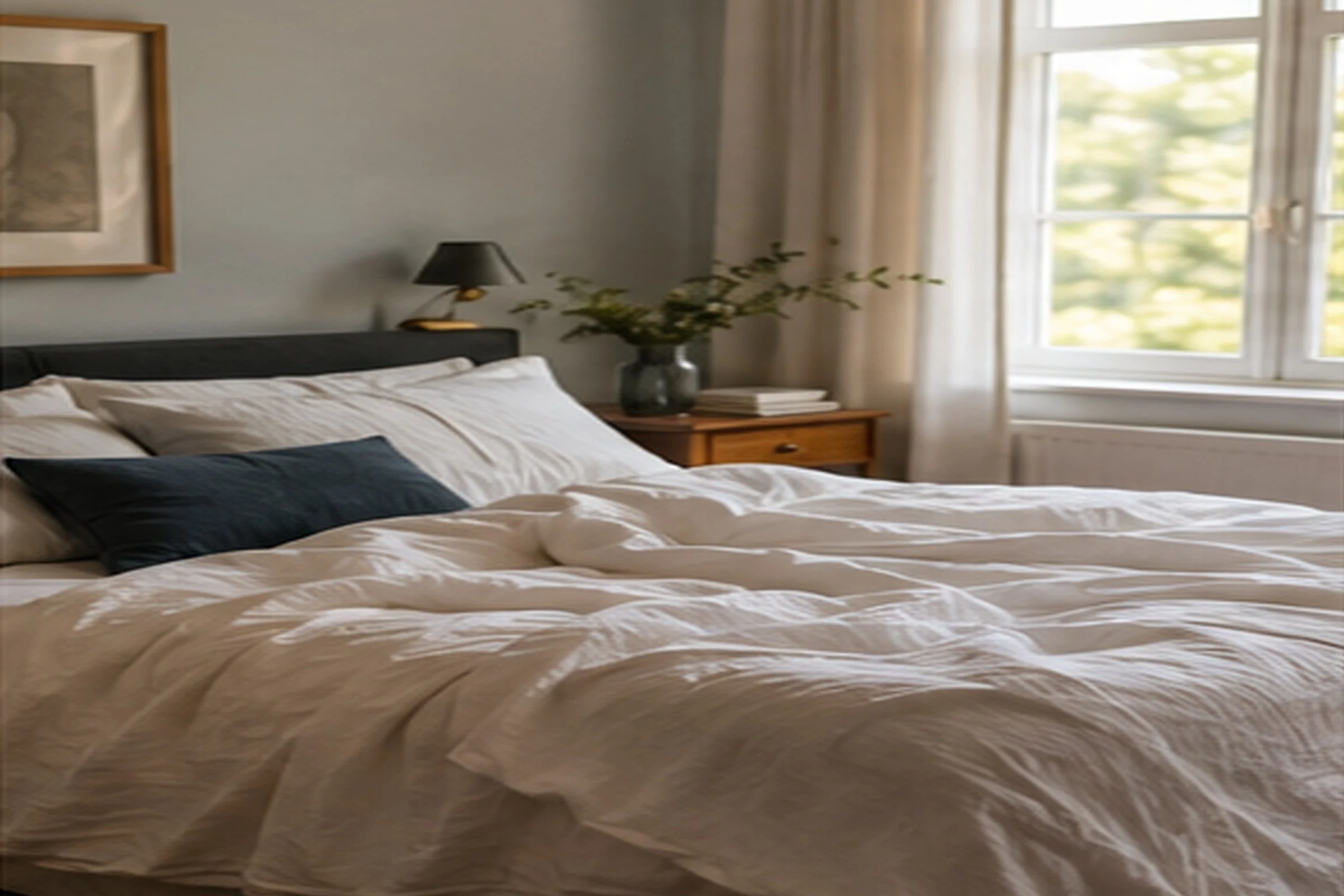
Should you make your bed every day? It depends less on science than the headlines suggest. For years, articles have announced that “scientists say” you should leave your bed unmade, because an unmade bed dries out and kills dust mites. Others insist that making your bed every morning is the foundation of a productive, orderly life. Both claims are made with more confidence than the evidence can carry. The sensible answer is simpler: let the bed air for a while after you get up, then make it if you like a made bed. Either way, the sheets matter more than the tidiness.
Where the dust-mite claim comes from
The idea that an unmade bed is healthier traces back mostly to research from Kingston University in London, reported in the mid-2000s. The argument went like this: dust mites cannot drink, so they absorb moisture from the air around them. A bed slept in overnight is warm and damp. Leave it uncovered and the moisture evaporates, the mites dry out, and fewer of them survive. Make the bed straight away and you trap the warmth and humidity under the covers.
As a piece of reasoning it is plausible. As a basis for the confident headlines that have followed it ever since, it is thin. The work was based largely on computer modelling rather than on measuring mites in real people’s beds, and the follow-up evidence that would settle the question has never really arrived. Allergy specialists have pointed out that most homes are humid enough for mites to thrive whatever you do with the duvet in the morning, and that a few hours of airing is unlikely to change much on its own.
So “science says don’t make your bed” overstates it. What the research suggests is more modest: letting bedding air out is a good habit, and trapping a damp bed under covers is not.
What the habit actually does
Airing helps the bed, whatever happens to the mites
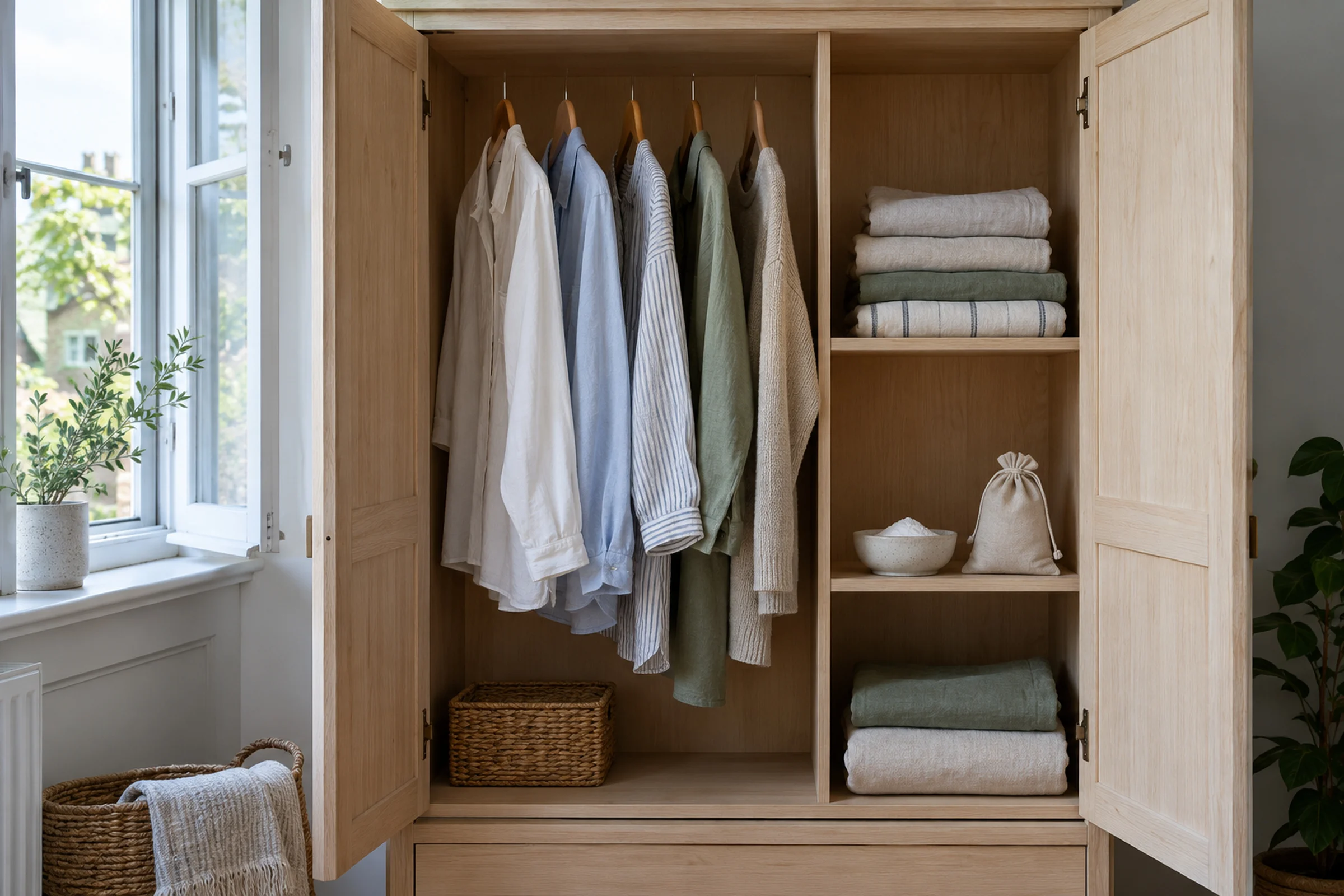
A body releases a surprising amount of moisture overnight. Throwing the covers back for half an hour, opening a window if you can, and letting the sheets cool and dry is good for the bedding and good for the room. It keeps the bed fresher, and in a damp home it helps with the musty smell that builds up in fabric. (The same principle applies to a stale wardrobe; we’ve written about getting rid of a musty smell there.)
Making it afterwards is about the room, not your health
A made bed does not keep you healthier. What it does is make a bedroom look calmer and more finished, which many people find genuinely pleasant to come home to. A bed with the covers pulled up also gathers less dust from the room during the day. That is a perfectly good reason to do it, and so is the fact that some people simply prefer the look.
Not making it is not a moral failing
The other half of the myth is the idea that making your bed is a test of character: a small morning victory that predicts a disciplined day. It is a nice ritual for those who enjoy it. It is not evidence of anything. Plenty of organised, capable people leave their beds unmade, and nobody’s life has been transformed by hospital corners alone. Rest is not laziness, and neither is a rumpled duvet; Nina Noir has argued as much about softness and rest before.
A sensible routine
- When you get up, pull the covers right back to the foot of the bed, so the sheet and mattress are exposed.
- Open a window or the curtains if you can, to let damp air out and light in.
- Leave it for twenty minutes to an hour, while you shower, dress or have breakfast.
- Then make the bed, or don’t, as you prefer.
That gives you the airing, without leaving the room looking unfinished all day, and it takes about a minute.
What matters more than making the bed
If your real concern is a clean, healthy bed, the morning ritual is a minor detail. These matter more:
- Washing your sheets regularly. Most guidance suggests about once a week, and every two weeks at most. Pillowcases benefit from more frequent changes.
- Washing at the temperature the care label allows, and drying the bedding thoroughly before it goes back on the bed or into the cupboard.
- Looking after the duvet and pillows, which need washing or airing far less often than sheets but should not be ignored. Choosing a duvet that suits the season helps too, because a bed that is too hot is a bed you sweat into; our guide to choosing a duvet covers what to look for.
- Keeping the bedroom ventilated, especially in a damp climate or a small home.
If anyone in your home has an allergy, follow the advice of their own health professional or allergy service rather than a rule about bed-making. Their guidance will be specific in a way no headline can be.
The verdict
Make your bed if you like a made bed. Leave it if you do not. Either way, air it first. The famous instruction to stop making your bed for health reasons rests on a plausible idea that has been repeated far more confidently than it was ever proved, and the opposite instruction, that a made bed is the key to a well-run life, rests on even less. Clean sheets, an airy room and a bed you look forward to getting into are the parts that count.