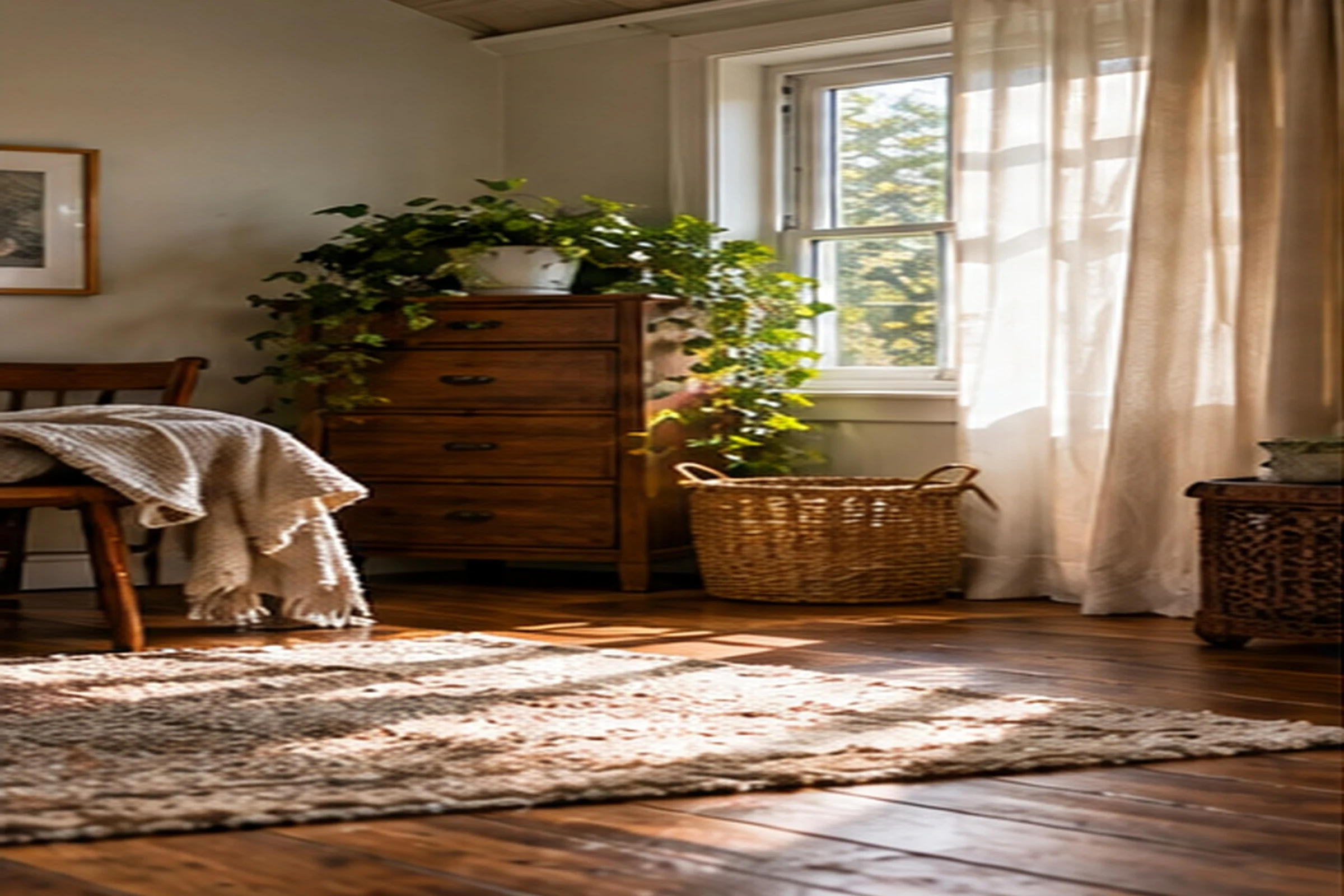
How to get rid of a musty smell in your wardrobe
The stale smell is a sign of moisture and still air, not a lack of fragrance. How to clear it properly, keep it away, and spot when the problem is the building.

A musty wardrobe announces itself the moment you open the door: a stale, slightly damp smell that clings to everything inside and follows your clothes out into the day. The instinct is to cover it with something nicer, a scented sachet or a spray. That rarely works for long, because the smell is a sign of moisture and still air, not a lack of fragrance.
Deal with the moisture and the airflow, and the smell goes. Here is how.
Why wardrobes start to smell
A wardrobe is a closed box, often against a wall, often in a room that is cooler than the rest of the home. Clothes go in carrying traces of moisture, from the body, from washing that was not quite dry, from a damp day outside. With the doors shut and the rail packed tight, that moisture has nowhere to go. Over time it gives you the familiar stale smell, and in the worst cases mildew.
The usual culprits are:
- clothes or shoes put away slightly damp, or after a single wear without airing;
- a wardrobe packed so tightly that air cannot move between garments;
- a wardrobe pushed flat against a cold outside wall;
- a room that is damp in general, from drying laundry indoors, poor ventilation or a building problem.
Empty it and let it breathe
Take everything out. All of it. Lay the clothes out somewhere airy, or hang them outside on a dry day if you can, and leave the wardrobe doors wide open with the window open too.
While it is empty, look carefully inside: in the corners, along the back panel, under shelves and behind any drawers. You are checking for damp patches, staining, or the dark speckled spots of mould. What you find decides what you do next.
Clean the inside, then dry it completely
If the wardrobe simply smells stale and there is no visible mould, wipe every surface with a cloth wrung out in warm water with a little mild detergent, or with a solution of water and white vinegar, which many people find helps with odours. Do not soak the wood. Then dry everything thoroughly with a clean towel and leave the doors open for several hours, or overnight, before anything goes back in. Putting clothes back into a wardrobe that is still damp starts the whole problem again.
Check the care instructions for the wardrobe itself, especially if it is painted, waxed or antique; some finishes do not like vinegar or water.
Deal with the clothes, too
The smell lives in the fabric as much as in the wood. Wash anything washable according to its label and make sure it is completely dry before it goes back. Airing alone often refreshes wool coats and knits; a day outside in the breeze, or a few hours by an open window, can do a great deal. Items that cannot be washed may need dry cleaning.
Look at shoes, bags and boxes stored at the bottom of the wardrobe, too. They are often where the smell starts.
Put things back with space between them
When the wardrobe is clean and dry, rehang your clothes with gaps between them. A rail packed shoulder to shoulder traps air; even a finger’s width between hangers helps it move. This is a good moment to take out what you never wear. Fewer things, better spaced, smell better.
A few simple habits keep the air moving:
- Let clothes air on a chair or a hook for a few hours after wearing before you hang them back up.
- Never put away anything even slightly damp, including laundry that “feels dry” but is still cool to the touch.
- Leave the wardrobe doors open for a while every so often, especially in damp weather.
- If the wardrobe is against an outside wall, pull it a few centimetres away to let air circulate behind it.
A good coat, especially, should air after a wet day before it goes anywhere near a wardrobe.
Absorbers can help, but they do not fix the cause
Once the wardrobe is clean, a moisture or odour absorber can help keep it fresh. An open bowl of bicarbonate of soda (baking soda) on a shelf absorbs odours and is cheap and easy to replace every month or two. Activated charcoal in a breathable bag does a similar job. Disposable moisture traps, which collect water from the air, can be useful in small, enclosed spaces in damp climates; empty and replace them as the instructions say.
What they cannot do is outwork a damp room. If an absorber fills up quickly, take that as a sign that there is more moisture around than a box of crystals can handle.
When it is not your wardrobe’s fault
Sometimes the smell comes back however carefully you clean, and the cause is the room or the building rather than the wardrobe. Signs worth taking seriously:
- condensation running down the windows most mornings;
- damp patches, staining or peeling paint on walls or ceilings;
- black mould on walls, window frames or the back of furniture;
- a musty smell throughout the room, not just inside the wardrobe.
Better ventilation helps a great deal: opening windows for a while each day, using extractor fans where you have them, and drying laundry outside or somewhere well ventilated when you can. But persistent damp and spreading mould are not housekeeping problems, and a bowl of bicarbonate will not solve them. They may come from leaks, rising damp or poor insulation, and are worth having properly investigated by a qualified professional, or reported to your landlord if you rent. If you are renting, photographs and a written record help here too.
For anything more than a small, surface patch of mildew, follow the guidance of your local authority or a professional on safe removal rather than scrubbing at it yourself.
The short version
Empty it, air it, clean it, dry it completely. Wash and air the clothes, and give them room. Keep damp things out, and let air in. Use an absorber to stay fresh, not to hide a problem. And if the damp is in the walls rather than the wardrobe, deal with the building, not the smell.