Is rereading books a waste of time?
Only if reading is a race. Why a second reading is a different book, why comfort rereads count, and when it might be time to try something new.

Is rereading books a waste of time? Only if reading is a race. And for a lot of readers it has quietly become one: annual reading challenges, progress bars on apps, lists of the hundred books you must read before you die, and the low hum of guilt about the unread pile beside the bed. Measured that way, every hour spent on a book you have already finished is an hour stolen from one you have not. Measured any other way, rereading is one of the best things a reader can do.
The case against rereading
The objection deserves a fair hearing, because it is not foolish. Life is finite and the number of books is not. Every year brings thousands of new ones, on top of everything already written. A reader who rereads the same twenty favourites is choosing comfort over discovery, the argument goes, and missing out on books that might have changed them.
There is also a suspicion that rereading is a way of hiding: going back to a book you know will not surprise you, because surprise is effort. Some people feel that a book read once has been “done”, and that going back is a kind of failure to move on.
Reading is not a scoreboard
The problem with that argument is the assumption underneath it: that the point of reading is to get through as many books as possible. Count books and rereading looks wasteful. Count the experience of reading, which is the actual point, and the picture changes.
Most of us retain surprisingly little of what we read once. Plots blur, names fade, the arguments of a non-fiction book shrink to a sentence. A book read once is often a book half-remembered, and a reader with five hundred books “done” may know very few of them well. A reader who has gone back to a handful of books several times knows those books in a way that a single fast reading cannot provide.
Nobody thinks listening to a favourite album twice is a waste. Few people watch a great film once and consider it finished for life. Books are the only art form where returning to something seems to need a defence. We have made the same mistake with other questions about what counts as proper reading; it is part of why the debate over whether audiobooks count gets so heated.
A second reading is a different book
The strongest argument for rereading is that it is not repetition. The words have not changed, but the reader has, and so has the reading.
The first time through a novel, much of your attention goes on finding out what happens. The second time, you already know, which frees you to notice how it happens: the hints planted early, the way a minor character turns out to matter, the sentences you rushed past because you were desperate to reach the end. Many books are written to be read twice, and only reveal their structure when you know where they are going.
Time changes things too. A book read at twenty and again at forty can feel like two different books. You notice different characters, side with different people, find a joke you missed or a sadness you were too young to recognise. Rereading turns a book into a measure of how much you have changed, which is something no new book can do.
And some books are simply too full to take in at once: dense non-fiction, poetry, long novels with dozens of characters, anything written in a style you had to get used to. The first reading is the introduction. The second is where you start to understand it.
Comfort is a perfectly good reason
Not every reread needs a literary justification. Sometimes the point is the comfort of a familiar world when life is noisy or difficult, a book that asks nothing new of you on a night when you have nothing new to give. That is as legitimate a kind of reading as any, and the same instinct sends people back to favourite films, recipes and places, and it is one of the reasons people keep reading when life gets loud at all.
When rereading might be holding you back
There is one fair caveat. If you only ever reread, and never try anything new, you may be missing books you would love, and it is worth asking whether habit has become avoidance. A sensible balance for many readers is a mix: mostly new books, with one or two old favourites a year, or a reread whenever a new book is not working.
Equally, if a book did nothing for you the first time, there is no obligation to give it a second chance. Not every book earns a return visit, just as not every book needs finishing.
How to get more out of a reread
- Leave a gap. Rereading after a few years usually gives more than going straight back in.
- Read more slowly than the first time. You already know the plot, so you can afford to linger.
- Notice what you notice. The passages that strike you now, and the ones that no longer do, are half the interest.
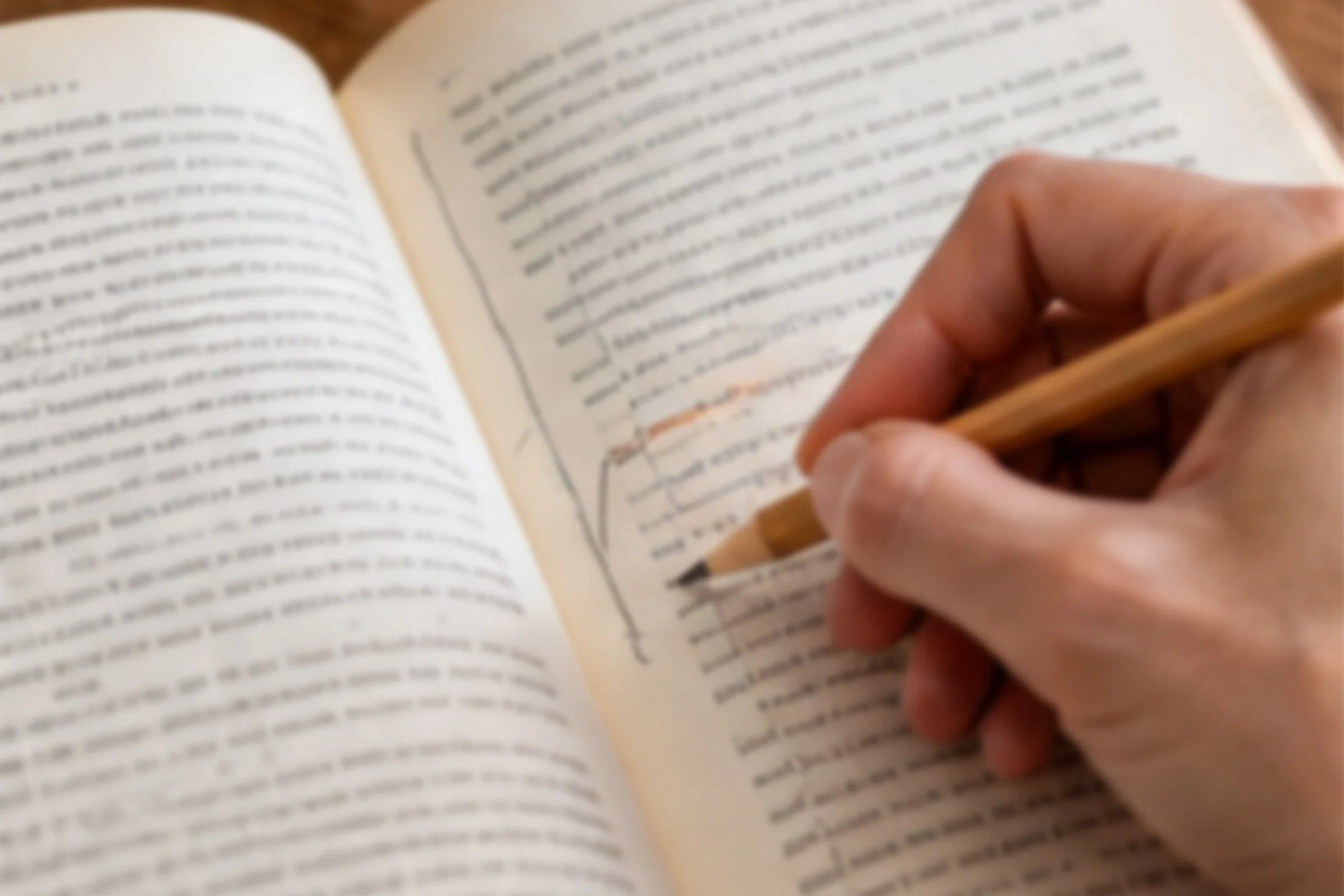
- Keep a pencil handy, if the book is your own. A reread is a natural moment to mark what you missed.
- Try a different format. Hearing a familiar book read aloud can make it new again.
The verdict
Rereading is time well spent: one of the few ways to really know a book, and one of the few ways a book can tell you something about yourself. The pile of unread books will always be taller than any lifetime allows. You were never going to finish it, so you may as well read the books that matter to you properly, and more than once if you want to.