How to stop thigh chafing (in dresses, heat and everyday wear)
Chafing is a friction problem with friction solutions. Shorts, thigh bands, balms and the clothing choices that stop thighs rubbing.
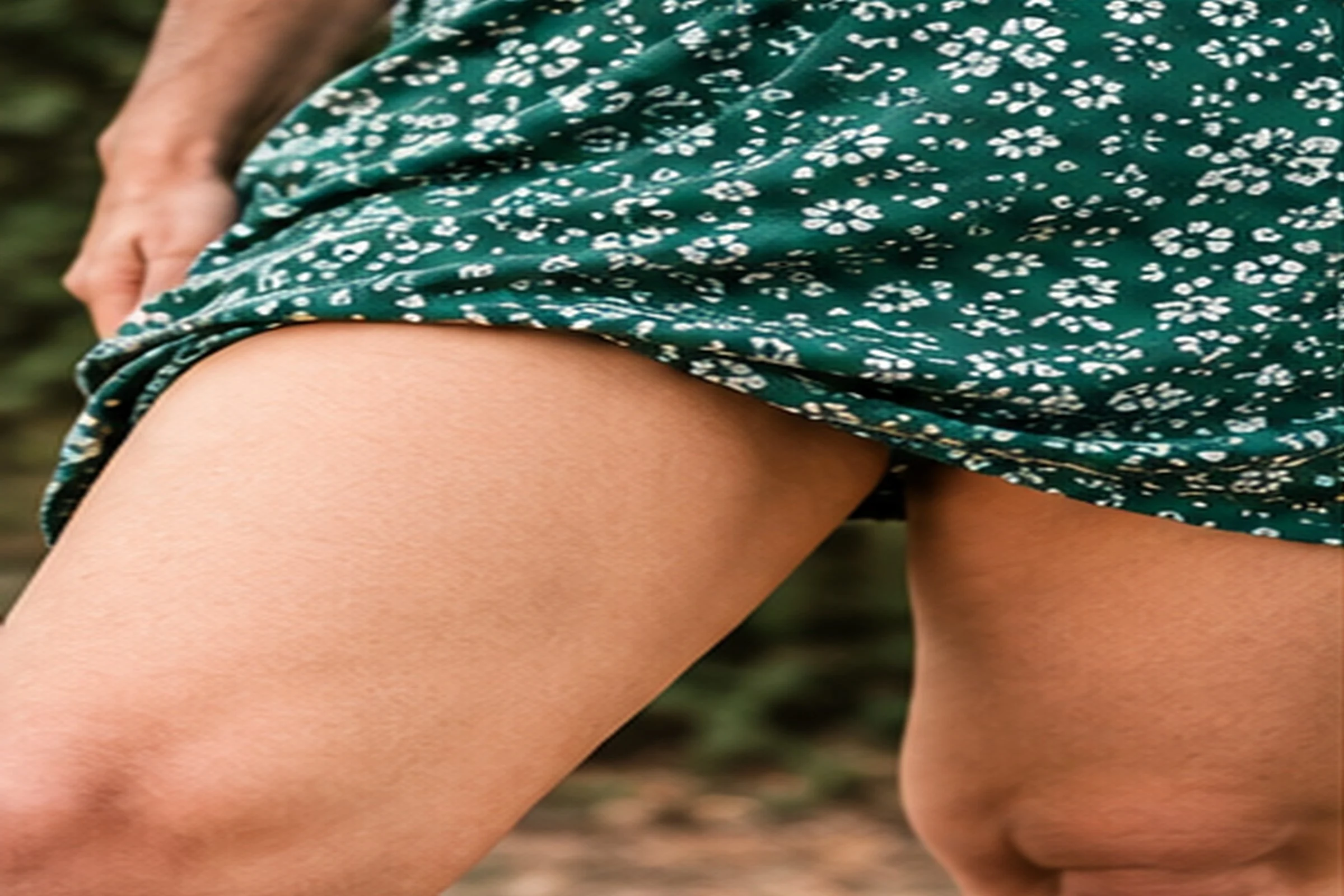
Thigh chafing is what happens when skin rubs against skin, or against fabric, over and over, until it becomes sore, red and sometimes raw. It is extremely common, and it is not a sign that anything is wrong with your body: it happens to runners, cyclists, hikers, people in hot climates and anyone whose thighs touch when they walk, which is a very large share of humanity. If you want to know how to stop thigh chafing, the answer comes down to two things: reduce the friction, and keep the skin dry. Everything that works does one or both.
Why thighs chafe
Chafing has two main ingredients. The first is friction: two surfaces rubbing together repeatedly. The second is moisture. Sweat makes skin softer and easier to damage, and damp fabric drags rather than glides. Heat makes both worse, which is why chafing is at its worst on summer days, in humid climates, on long walks and during exercise. The Cleveland Clinic describes friction as the root cause of chafing and moisture as the factor that makes it much worse.
Clothes can cause it as well as prevent it. Rough seams, fabrics that hold sweat, and garments that ride up or bunch between the thighs all add friction.
Barrier layers: shorts and slips
The most reliable way to stop thighs rubbing is to put something smooth between them.
- Anti-chafe shorts or slip shorts worn under dresses and skirts. Look for a smooth, breathable, moisture-wicking fabric and a leg long enough to cover the whole area where your thighs touch. Shorts that are too short simply move the rubbing to their hem.
- Cycling shorts or light leggings work under some outfits and are easy to find.
- Lightweight shapewear can work too, but heavy, thick shapewear traps heat and sweat, which defeats part of the purpose on a hot day.
The advantage of a fabric layer is that it lasts all day and does not wear off. The disadvantage is warmth, and the fact that some short dresses and skirts make shorts visible.
Thigh bands
Thigh bands are soft fabric bands, usually lace or smooth stretch fabric, worn around the top of each thigh, with a silicone strip inside to hold them in place. They cover only the part of the thigh that rubs, so they are cooler than shorts and work under shorter or lighter dresses.
Fit matters. Bands that are too loose slide down; bands that are too tight dig in and can cause their own irritation. Measure the top of your thigh and use the maker’s size chart rather than guessing.
Barrier products: balms, gels and powders
Anti-chafing balms, sticks and gels form a slippery layer on the skin that reduces friction. They are invisible under clothes and useful when you cannot or do not want to wear another layer.
The American Academy of Dermatology suggests applying powder or petroleum jelly to areas that rub to reduce friction. Many purpose-made anti-chafing products use ingredients such as dimethicone to create the same slippery barrier.
Some practical points:
- Apply to clean, dry skin before you get dressed, and before the rubbing starts rather than after.
- Reapply on long days, in heat, or if you are walking a lot. Balms wear off with sweat and movement.
- Powder helps keep the skin dry, but on its own it may not last through a long, hot day, and it can clump with heavy sweat.
- Patch-test a new product on a small area first, especially if your skin is sensitive, and follow the instructions on the product.
Clothing choices that help
- Choose fabrics that move moisture away from the skin for walking, exercise and hot days. The American Academy of Dermatology advises avoiding cotton for physical activity, because it soaks up sweat and holds it against the skin.
- Check the seams. Flat, smooth seams on the inner leg cause much less trouble than thick, raised ones.
- Pay attention to fit. Trousers and shorts that are too tight across the thigh rub; ones that are too loose bunch and twist. Clothes that fit properly are more comfortable in every way, which is one reason clothes should be chosen to fit you, rather than the other way round.
- Change out of damp clothes after exercise or a hot journey rather than sitting in them.
Dresses and skirts in heat
This is where chafing is at its most frustrating, and where too many people give up on clothes they love. A short list for hot days:
1. Smooth anti-chafe shorts or thigh bands as the base. 2. A barrier balm on the inner thighs as a second layer of protection if you will be walking a lot. 3. A small balm stick in your bag for reapplying. 4. Breathable dress fabrics, so the whole outfit holds less heat.
None of this requires giving up dresses. Wearing what you like, rather than dressing to hide or minimise your body, is something Nina Noir has written about in I stopped dressing to look smaller. Chafing is a friction problem with friction solutions.
If your thighs are already chafed
Mild chafing usually settles once the rubbing stops.
- Rinse the area gently with water and a mild cleanser, without scrubbing, and pat it dry.
- Give the skin a rest from whatever caused the rubbing if you can.
- A thin layer of a plain barrier ointment, such as petroleum jelly, can protect irritated skin from further rubbing while it settles.
- Wear loose, soft clothing over the area until it settles.
See a doctor or pharmacist if the skin is broken and not healing, if it becomes very painful, swollen, hot, weeps or smells unusual, if a rash spreads or keeps coming back, or if you are unsure what you are dealing with. Persistent irritation in skin folds can have other causes that need proper assessment.
The short version
Reduce friction and keep the skin dry. Use a fabric layer, such as anti-chafe shorts or thigh bands, as your main defence; add a balm or powder for long or hot days; choose smooth, breathable fabrics with flat seams; and change out of damp clothes quickly. Chafing is common, manageable and no reason to dress around your thighs.
Sources
- Cleveland Clinic. Chafing.
- American Academy of Dermatology. Blisters: how to prevent and treat them.