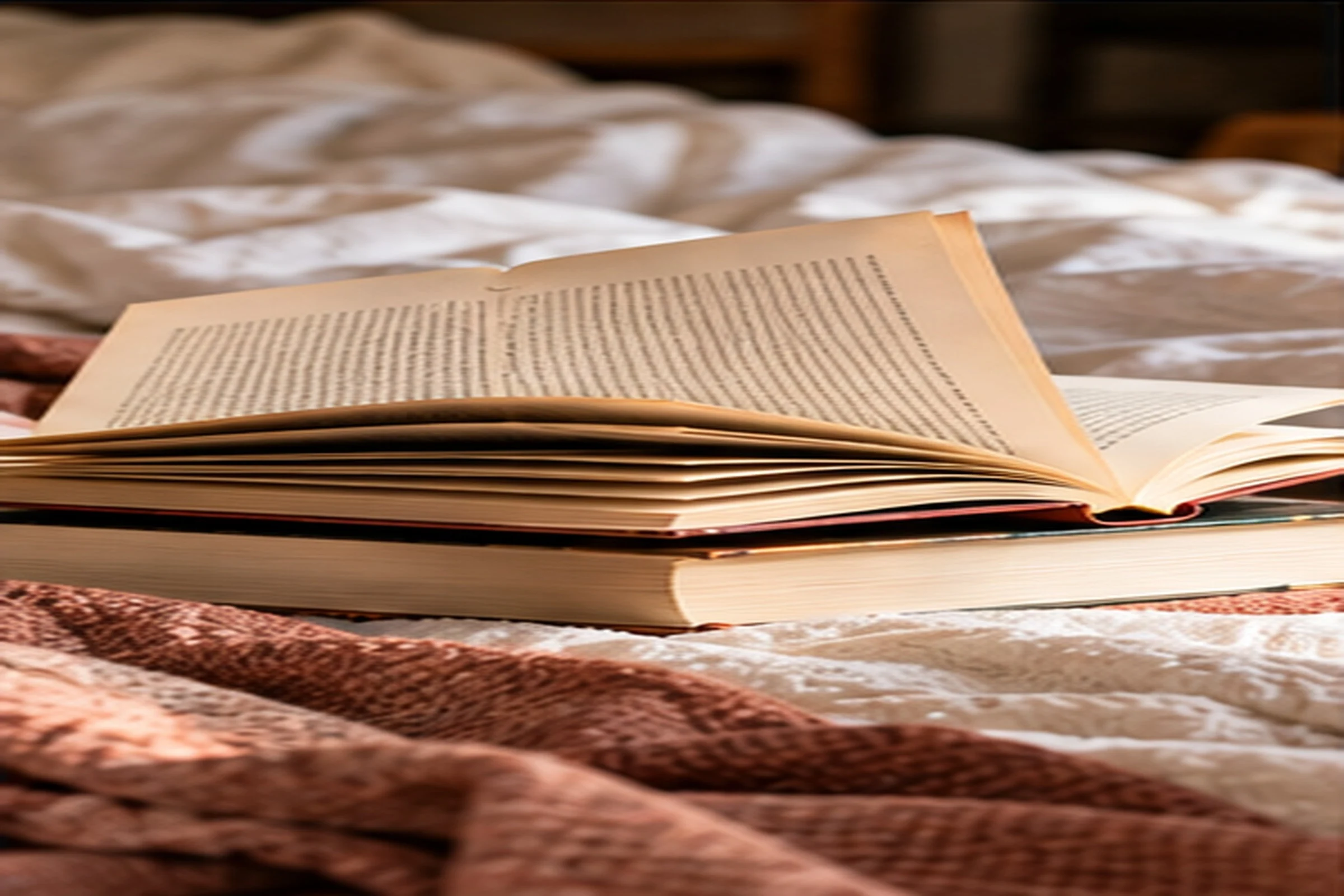
Should you write in your books?
The pristine copy is not the most respected one. Why a book with your pencil in its margins is worth more to you, and the books you should never mark.
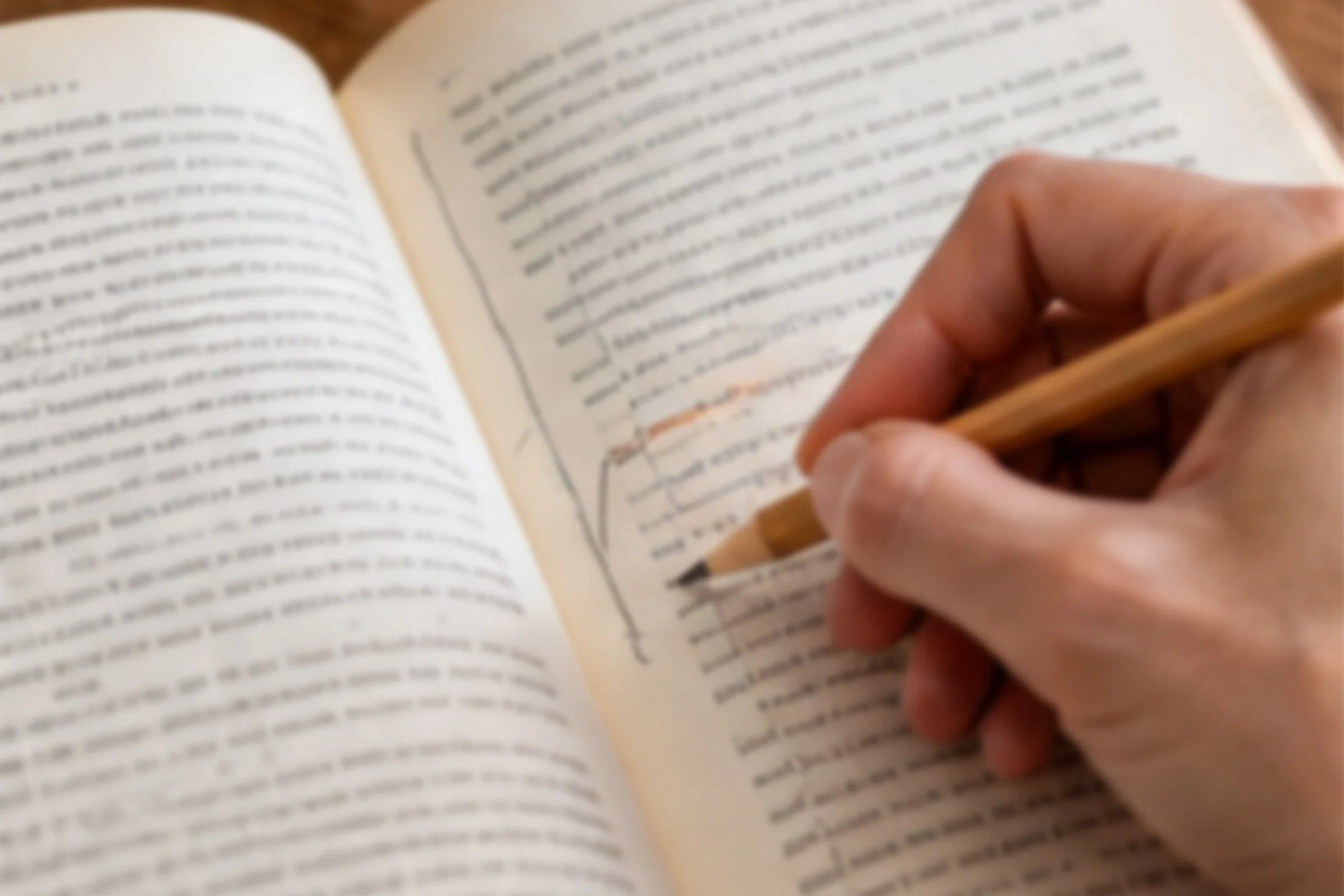
Should you write in your books? Yes, if they are yours. A book with your pencil in its margins has been read properly, and it is more valuable to you afterwards, not less. That is my position, and I hold it firmly, with three sensible exceptions: books that belong to someone else, library books, and the rare edition worth more clean than marked.
Plenty of readers disagree, some of them passionately. So it is worth taking their side seriously first.
Why people hate writing in books
For a lot of readers, a book is close to sacred. They were taught young not to fold corners, crack spines or scribble, and the lesson stuck as a kind of reverence. A clean copy feels respectful: of the author, of the object, of whoever might read it next.
There are practical objections too. Notes can be distracting on a second reading, because your eye goes to the old underlining instead of finding something new. Ink cannot be undone. A heavily annotated book is harder to lend, give away or sell. And some people simply love how a new book looks on the shelf, all straight lines and unbroken spines.
All of that is fair. None of it, to my mind, outweighs what writing in a book gives back.
The case for the margins
Reading with a pencil changes how you read. You slow down at the lines that matter. You argue back. You notice when a writer contradicts herself, when a character’s mood turns, when a sentence is so good you want to remember where it is. A question mark in the margin is a small act of attention, and attention is the whole point.
It also makes the book findable later. Most of us forget most of what we read. A few underlined lines and a word or two in the margin mean you can open a book years later and find, in a minute, what moved you. The book becomes a record of one particular reading by one particular person at one particular time. Reread it in ten years and you may disagree with your younger self, which is half the fun.
And there is the long tradition of it. Readers have written in books for as long as there have been books, and marked-up copies are treasured in libraries and families precisely because they show a mind at work. A grandmother’s recipe notes in the margin of a cookbook are worth more than the cookbook.
The pristine book, by contrast, mostly proves it was not handled much. Respect for a book is reading it hard. Like the audiobook question, this is a debate about what counts as proper reading, and my answer is the same: what counts is the engagement, not the purity of the ritual.
Is it bad to annotate books?
It is bad to annotate a book that is not yours. That rule is absolute.
- Borrowed books: never. Use sticky notes or a notebook, and give it back as you found it.
- Library books: never. The next reader did not ask for your opinions, and libraries rightly treat marks as damage.
- Valuable or collectible editions: think twice. A first edition, a signed copy or a rare old book can lose real value with every mark. If you want to annotate the text, buy a cheap reading copy and keep the good one clean.
Everything else that you own outright is yours to read however you like.
Does writing in a book ruin it?
Not for you. For resale, a little: an annotated paperback is worth less to a secondhand bookshop. For the next reader, it depends. Many people love finding a stranger’s notes in a used book, a small glimpse of another reading. Others find it irritating. If you plan to pass books on, light pencil is the courteous choice.
Pen or pencil for annotating?
Pencil is the classic choice and the kindest to the book. It does not bleed through thin pages, it can be rubbed out, and it fades gently into the page over the years. A soft pencil writes easily on most paper.
Pen is more permanent and easier to read, which some annotators prefer. If you use one, choose a fine, quick-drying pen that will not soak through, and test it first on a back page.
Highlighters are the most likely to bleed and the hardest to read past. They suit study texts better than novels.
Sticky notes and tabs are the halfway house: removable, colourful, and useful for marking pages you want to find again without touching the text.
How to annotate a book without making a mess
The worry that annotating turns every page into chaos is a real one, and the answer is restraint.
- Underline less than you want to. If everything is underlined, nothing is. Save it for lines you would actually want to find again.
- Use a few simple marks. A vertical line in the margin for a good passage, a question mark for confusion or disagreement, an exclamation mark for surprise, a star for the very best.
- Write words, not essays. “Yes”, “no”, “see p. 40”, “like her mother”: short notes that will make sense to you later.
- Use the blank pages. The endpapers at the front or back are a good place for a short index of pages you marked and why, or for a few lines of what you thought when you finished.
- Date it, if you like. It turns a book into a small diary.
None of this needs to be done on a first reading of a novel you are swept up in. Plenty of readers read a book straight through, then go back with a pencil.
A copy that is yours
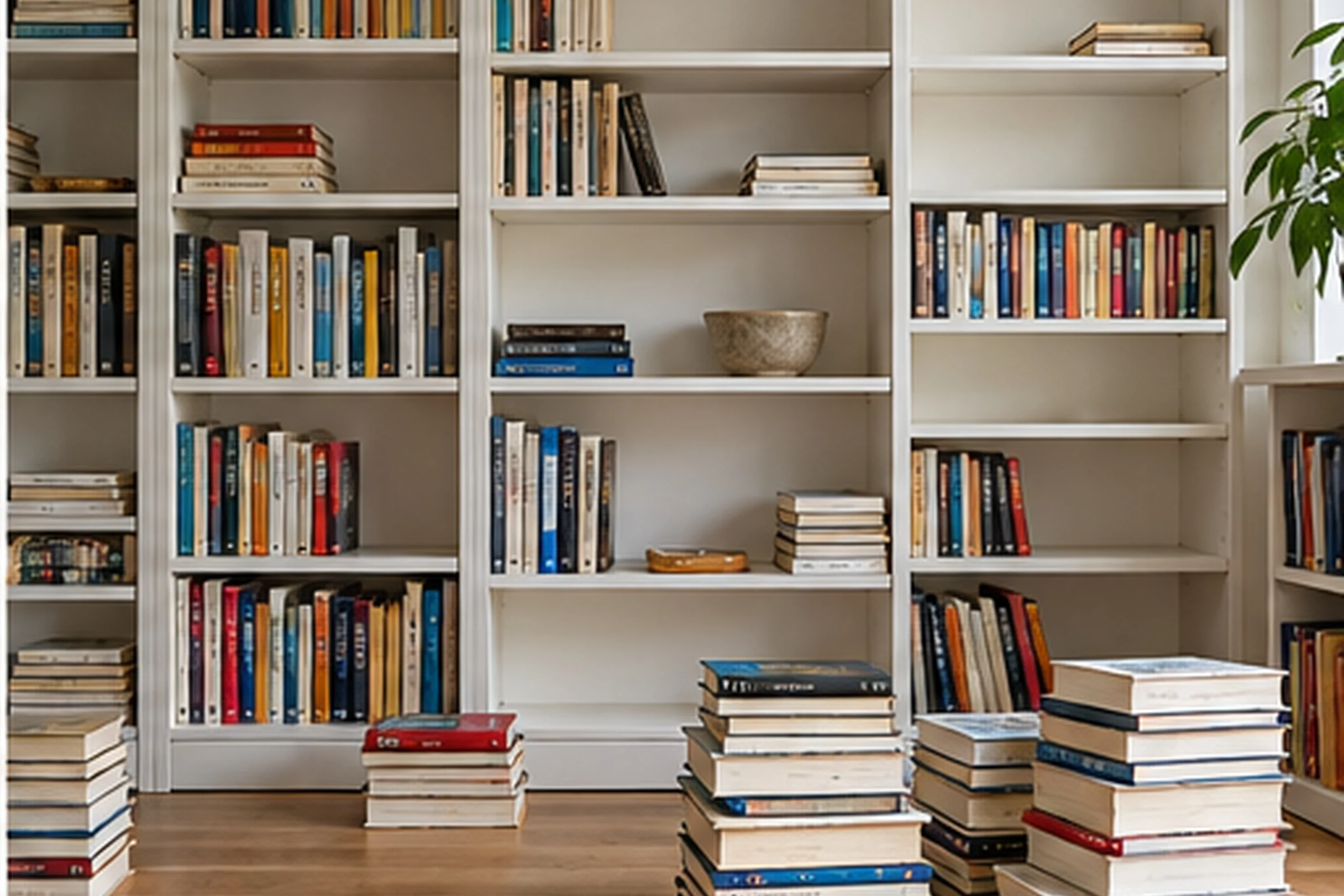
There is a reason book lovers keep certain copies for decades: not the cleanest ones, but the ones that went on holiday, got rained on, and filled up with marks. If you organise your shelves around how you actually use your books, the annotated ones tend to end up in reach.
So write in your own books. Use a pencil, use restraint, leave the library’s copies alone. And let the margins fill up with evidence that someone was here, reading.