In defence of the gift card
The gift card is supposed to be the lazy present. But a drawer of unwanted candles says more about the giver than the receiver.
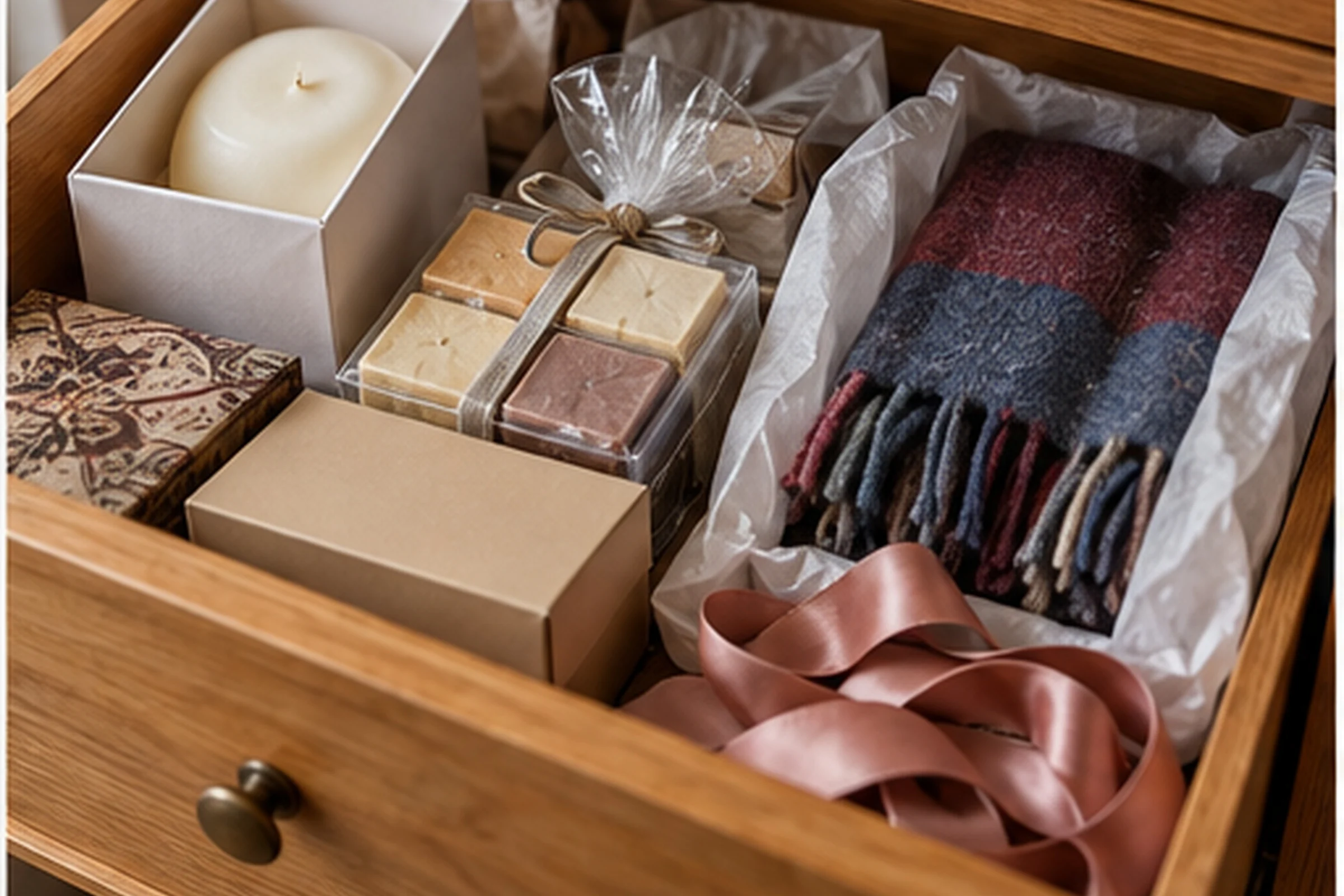
Somewhere in most homes there is a drawer. In it are a candle in a scent nobody would choose, a boxed set of soaps shaped like shells, a scarf in a colour that was never going to happen, and a tangle of ribbon saved from the wrapping. Every one of these was given with love. None of them will be used.
And yet the present we are taught to feel slightly ashamed of giving is the gift card. Ask whether gift cards are thoughtful and most people will say, a little guiltily, that they are not: they are what you buy at the checkout when you have run out of time and ideas. I think the gift card deserves a better reputation, and the drawer is the evidence.
What a “thoughtful” present is meant to prove
A thoughtful gift, in the usual sense, is one that shows you know the person. It says: I have paid attention to you. I know your taste, your habits, the thing you mentioned in passing in March. The present is a little proof of intimacy, wrapped.
That is a lovely idea, and when it works, it is one of the best feelings there is, on either side. The trouble is how rarely it works, and how much pressure it puts on the giver to perform knowing someone, often someone they do not know especially well. A colleague. A partner’s mother. A friend’s new partner. A neighbour who fed the cat.
So the giver guesses. And because guessing badly feels worse than guessing safely, they reach for the category of present that seems to belong to nobody in particular: the candle, the soap, the body lotion, the novelty mug, the scarf. These are not really chosen for the person. They are chosen for the occasion, to prove that effort was made.
The drawer is full of good intentions
Each unwanted gift costs the person who receives it something. It costs a moment of performed delight when it is opened. It costs space. It often costs a small, nagging guilt, because throwing away a present feels ungrateful, and giving it away feels sneaky, and keeping it feels like clutter. So it goes in the drawer, where it waits, sometimes for years.
Meanwhile the thing the person actually wanted, the book, the good coffee, the haircut they keep putting off, the one piece of kitchen equipment they would never buy for themselves, goes unbought.
Choice is a kind of generosity
A gift card hands over the one thing a guessed present takes away: the choice. It says, I would like you to have something you will love, and I trust you to know what that is better than I do. There is respect in that. And a little humility, which is not a bad quality in a giver.
It also gives the person a small, particular pleasure that a wrapped present cannot: the pleasure of choosing. Wandering round a bookshop with credit to spend is its own afternoon out. So is the slow, happy indecision of picking something you would not have justified buying with your own money. That feeling is a close cousin of what I wrote about in buying the chair I could not justify: the permission to have something you want, purely because you want it.
When a gift card genuinely is impersonal
None of this means every gift card is a good present. Some are exactly as careless as their reputation.
A gift card is impersonal when it could have been given to anyone. A generic card to a huge store the person never uses, bought at the last minute and handed over in its plastic sleeve, says very little except that a gift was required. A card for a place the person dislikes, or one that is fiddly to spend, or one that expires in three months, can be worse than nothing, because it turns a present into a chore.
And there are relationships where a gift card would land badly, however well chosen: the people closest to you, on the occasions that matter most to them, often want proof that you have been paying attention. For them, a guess, even a wrong one, can mean more than a perfect voucher. Knowing which of your people are like that is part of knowing them.
A note, or the right shop, changes everything
The difference between a lazy gift card and a generous one is usually very small.
It is the choice of place: the independent bookshop they love, the restaurant they keep mentioning, the plant nursery, the cinema, the shop where they buy the shoes they always end up wearing. A gift card to somewhere specific is a gift of knowledge too. It says, I know where you are happiest, and I would like to send you there.
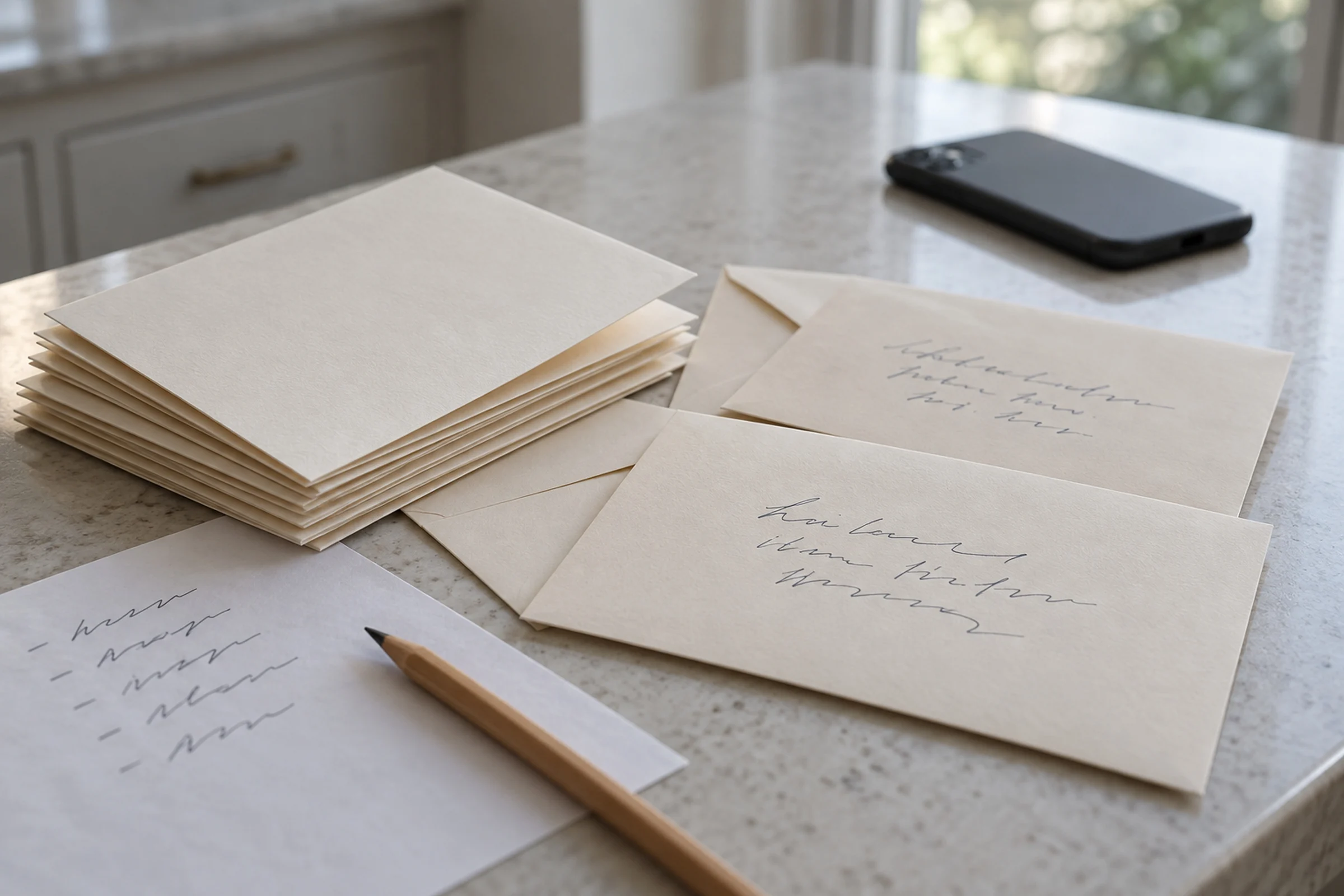
And it is the note. A few lines, written by hand, about why: “For the next book club pick.” “For a long lunch on your own.” “Because you always say you can never find the good olive oil.” The card provides the money; the note provides the thought. Together they are often more personal than anything that could have been wrapped.
Who is the gift really for?
The quiet suspicion of gift cards rests on an idea that a present should cost the giver effort as well as money, and that the effort should be visible. But a gift that is mostly about the giver’s effort is, in a small way, about the giver. The hunt, the wrapping, the reveal, the hope of seeing their face light up: all of that is real and can be lovely, but it is partly a performance, and the receiver is the audience.
The best presents are the ones the other person is glad to have a month later. Sometimes that is a scarf you picked because you knew. Sometimes it is a card for the bookshop, with a note in your handwriting, and the freedom to choose. Small pleasures carry more weight than we admit, as the little treat tends to show, and a gift that lets someone pick their own is one of the simplest ways to give one.
The candle in the drawer was a guess. The gift card is an act of trust. I know which I would rather receive.