Why does nobody reply to invitations any more?
Unanswered invitations have become normal. What silence costs the person hosting, and why a clear no is often the kinder reply.
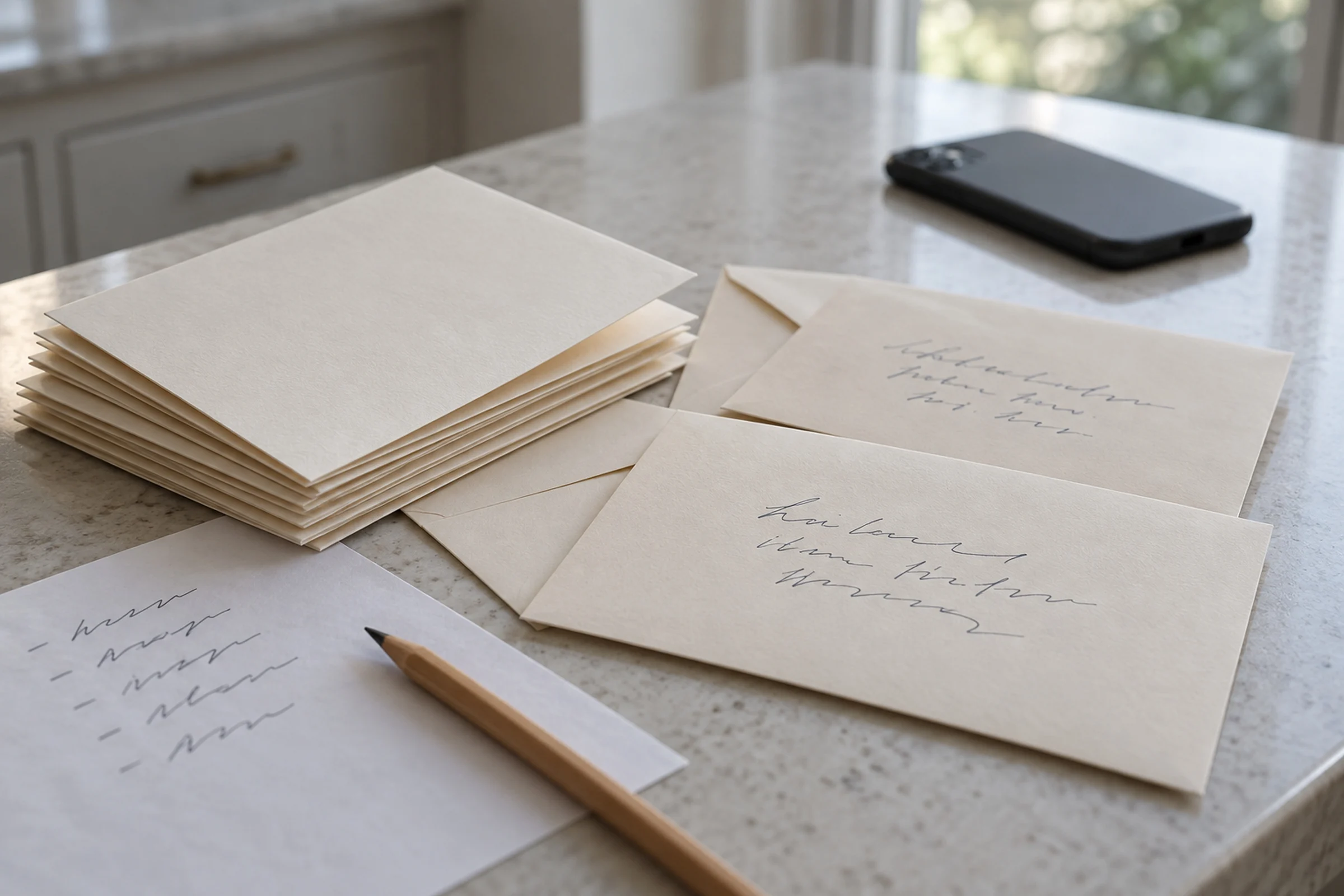
Send an invitation now, to almost anything, and you will learn a new kind of arithmetic. Twenty people invited. Six yeses. Two noes. Twelve people who have seen the message, because the app says so, and said nothing at all.
Some of the twelve will turn up. Some will send a message an hour before: “So sorry, can’t make it tonight!” A few will reply three days after the event to say they would have loved to come. And the host, who needed to know how many chairs to borrow and how much food to buy, has spent the week planning for a number somewhere between eight and twenty.
Not replying to invitations has quietly become normal. I think it deserves a second look, because it is less harmless than it feels.
Keeping options open
The usual explanation is busyness, and it is partly true. But most non-replies are not about time. A yes or no takes ten seconds. What it costs is commitment.
Replying means deciding, and deciding means closing off whatever else might come up: a better offer, a quieter evening, the chance of simply not feeling like it on the day. Silence keeps every option open. It is the social equivalent of putting something in an online basket and never checking out. Nothing is lost, nothing is promised, and you can always say later that you didn’t see the message.
The trouble is that keeping your own options open works by closing someone else’s.
What silence costs the host
Every unanswered invitation lands somewhere. For the person hosting, it is a series of small, practical problems.
They have to guess the numbers, and guess them for food, drink, chairs, glasses and plates. Under-cater and the evening feels mean; over-cater and they are throwing away food they paid for, or eating it for a week. If they have booked a restaurant, a table for twelve where eight turn up can mean an awkward conversation with the staff, or a charge for the empty seats, and then the question of how the bill is split among whoever did come. A venue, a cake, a wedding meal all have to be paid for by the head, often before anyone knows how many heads there will be.
Then there is the cost no spreadsheet shows. Waiting to hear is its own kind of anxiety. Hosts read silence as reluctance: did they not want to come? did I invite too many people, or the wrong ones? Much of the dread people feel about hosting, and much of the reason they stop doing it, lives in that gap between sending the invitation and knowing who will be there.
A clear no is a kindness
This is the part we have got backwards. Many people do not reply because saying no feels rude, and silence feels gentler. It isn’t. A no is information. It lets the host plan, offer the place to someone else, buy less, relax. Silence is a no that also asks the host to do the work of guessing.
“Thank you so much for asking, I can’t make it this time, but I hope it’s wonderful” takes less time to write than the guilt of not writing it lasts. It closes the loop, and it leaves the door open for next time.
The same goes for maybe. A maybe is fine if it is honest and has an end date: “I’m waiting to hear about work; I’ll tell you by Thursday.” What does not help is the permanent maybe that hardens into a no on the day, or into a yes without warning.
Why it matters more than it seems
Social life runs on invitations. Somebody has to decide to have people over, book the table, organise the birthday, get the group together, and the people who do that are carrying something for everyone else. Every unanswered message makes that job a little more thankless, and over time the people who used to host stop doing it, and everyone wonders why they never see each other any more.
There is a wider point about friendship, too. Friendships are built by turning up, again and again, and the reply is the first part of turning up. A friend who always answers, even with a no, is telling you that your invitation was worth an answer. That is not a small message.
Answering, without the guilt
If you are someone who lets invitations sit, a few habits help:
- Reply as soon as you know, even if the answer is no.
- If you do not know yet, say when you will know, and keep to it.
- If your answer changes, say so as early as you can.
- If you have said yes, turn up, or tell the host well before the day.
And if you are the one hosting, it is fine to ask directly for an answer by a date, and fine to take silence as a no. You are not being demanding. You are asking for the minimum that lets you look after the people who do come.
The invitation is the hard part, and someone else has already done it. All we are being asked for is a reply. It is one of the easiest kindnesses there is, and one of the most often withheld.