Why do people clap when the plane lands?
The applause on touchdown is rarely about the pilot. It is relief, made public for a moment, by strangers who will never see each other again.
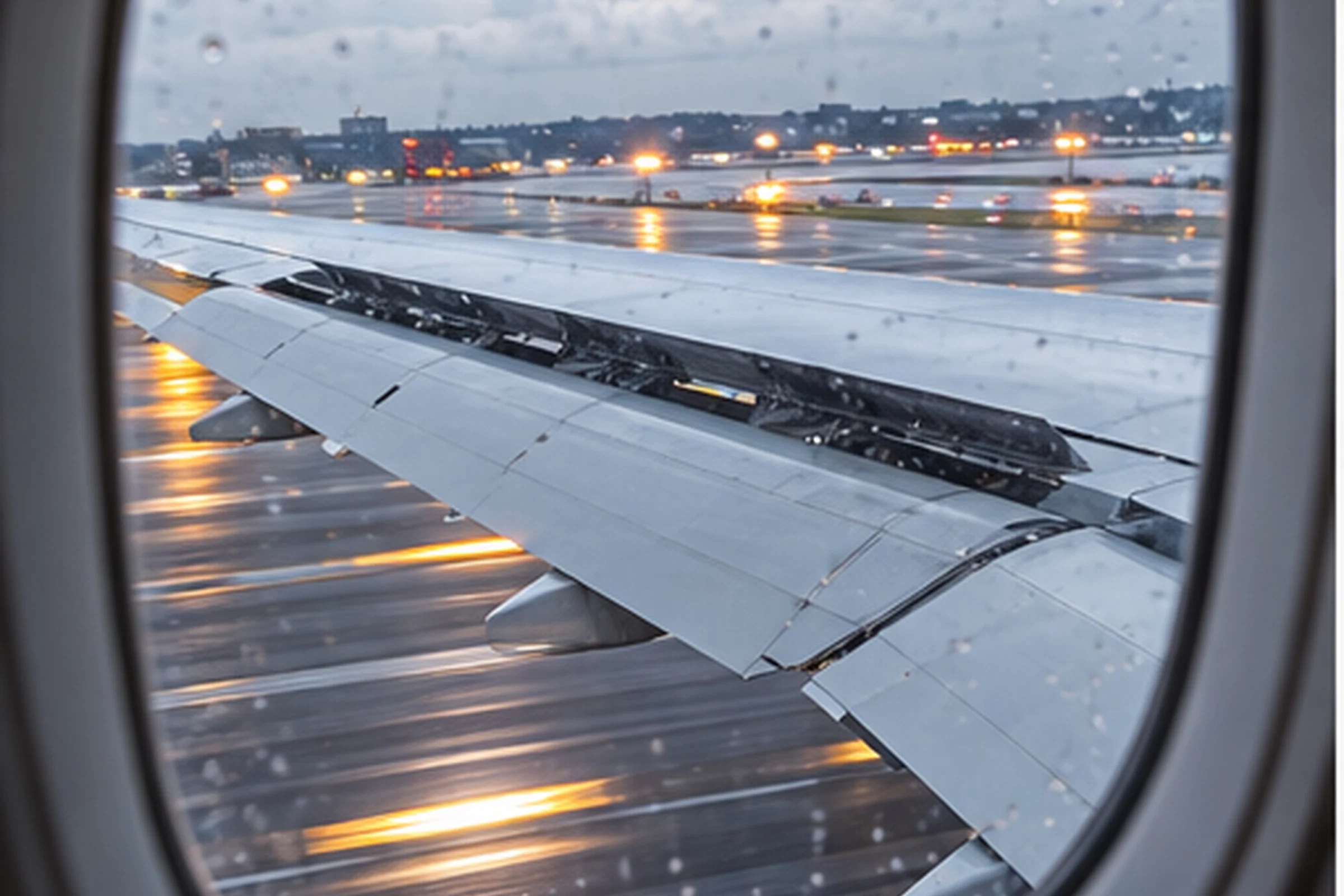
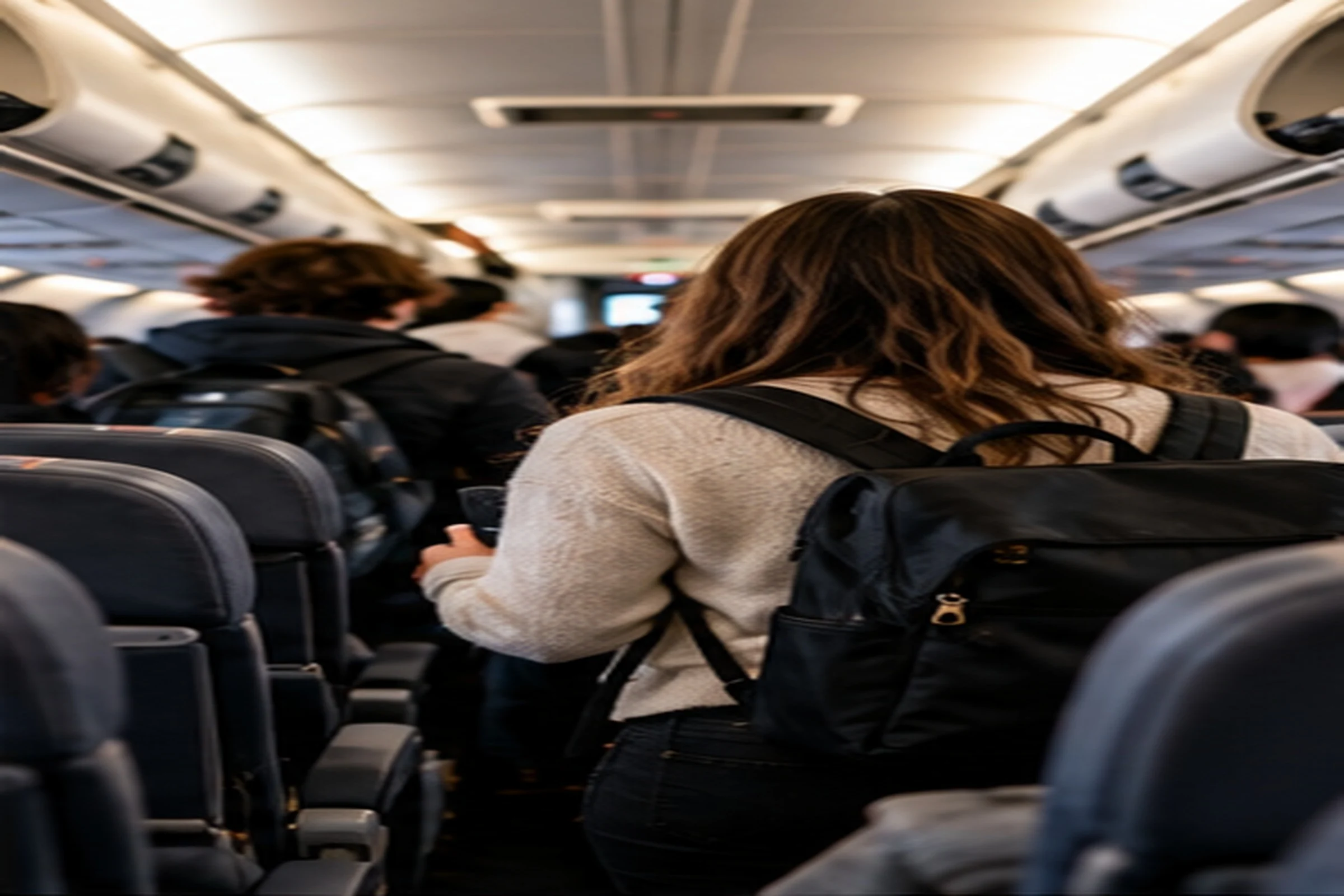
The wheels touch, the cabin jolts, the engines roar into reverse, and somewhere around row fourteen a few people start to clap. Sometimes it spreads down the aisle. Sometimes it dies after three seconds, and the people who started it look out of the window as if it had nothing to do with them. And somewhere else on the plane, someone is rolling their eyes so hard you can almost hear it.
So why do people clap when the plane lands? Not, mostly, for the pilot, who cannot hear it behind a locked door and over the engines. The applause is aimed at nobody in particular. That is what makes it interesting.
Relief, made public
Flying is a strange arrangement. You sit very still in a metal tube, several miles above the ground, trusting people you will never meet and machinery you do not understand. Most passengers are calm about it most of the time. But calm and relaxed are not the same thing, and a lot of people carry a low hum of tension from take-off to touchdown that they would not admit to the person in the next seat.
Landing is the moment that tension is allowed to go. The ground is under the wheels. Whatever you were bracing for did not happen. And relief, like laughter, wants somewhere to go. Clapping is one of the few things you can do with it while still strapped into a seat.
It is the same instinct that makes people cheer when a stuck lift finally moves, or exhale loudly together when the lights come back on in a power cut. Nothing has been achieved. Something has simply not gone wrong, and the body wants to mark the difference.
When the approach was rough
The applause is almost always louder after a difficult flight. A bumpy descent through cloud, a crosswind that has the wings tilting from side to side, a go-around where the plane climbs again at the last moment: everyone has spent the last twenty minutes gripping the armrests in silence, pretending to read. When the wheels finally stay down, the clapping is partly gratitude, partly release, and partly a way of saying out loud what everyone was thinking.
It is also, after turbulence, one of the few moments when the people on board admit they were all in the same situation. For an hour they have been strangers in rows. For a few seconds they are a group that has been through something, however small.
A ritual among strangers
There are not many shared rituals left between people who do not know each other. We hold doors, we say sorry when someone else bumps into us, we sing happy birthday to a stranger in a restaurant when the cake comes out. Clapping on landing belongs to that small family of gestures: brief, slightly silly, entirely unnecessary, and quietly kind.
It also varies. On some routes and in some places the applause is almost traditional, the done thing at the end of a holiday flight or a long journey home. On others it is rare enough to draw looks. Holiday flights often clap more than business shuttles, and the last flight home before a big celebration sometimes claps loudest of all. The habit seems to depend less on the plane than on the mood of the people inside it, and on whether flying still feels like an event or has become a commute.
The eye-roll
And then there is the other camp. For a certain kind of seasoned traveller, clapping on landing is deeply embarrassing: provincial, naive, a sign that someone has not flown enough to know that landing is a routine part of the job. The pilot does it several times a day. Would you clap a bus driver for pulling into a stop?
It is a fair point, as far as it goes. But it misses what the clapping is for. Nobody applauding at touchdown thinks they have witnessed a feat of skill. They are marking their own feeling, not judging the landing.
What the eye-roll really objects to is the feeling being shown. There is a strong, unspoken rule in a lot of public life that emotion should be kept small and private, especially emotion that hints at fear. Being visibly relieved implies you were worried, and being worried implies you are not as at ease in the world as you ought to be. The sophisticated passenger is unbothered, unimpressed, already unbuckling. The clapping passenger has given the game away.
I am on the side of the people clapping, whether or not I would join in myself. The landing may not deserve applause, but I would rather share a cabin with people who let small feelings out than with people who police them. A plane full of strangers briefly agreeing that they are glad to be on the ground seems to me a better sign than a plane full of people pretending they felt nothing at all.
Embarrassed by our own relief
Part of the awkwardness is that the clappers are often a little embarrassed too. Watch the way the applause starts: a few hesitant claps, then a glance around, then either a wave of company or a quick retreat. People want to mark the moment, but not to be the only one. It is the same hesitation that makes some of us struggle to accept a compliment without brushing it off: the feeling is real, and showing it feels exposed.
There is something touching about that hesitation. It is the sound of people deciding, in real time, whether it is safe to be a bit sincere in public.
What it comes down to
People clap when the plane lands because landing is the end of a long, slightly tense stretch of trust, and because the end of it feels like something, even when it is not. Some clap from habit, some from relief, some because everyone else did. Some just like ending a trip with a small noise of celebration before the scramble for the overhead lockers, where whatever you managed to fit into a carry-on for a week is waiting.
You do not have to join in. But there is no need to roll your eyes either. A few seconds of applause from strangers who will never see each other again is not the worst thing a plane full of people could do. It might be one of the nicer ones.