Is it weird to go to the movies alone?
A cinema is the one social outing where talking to your companion is bad manners. Why going alone is the most natural way to see a film.
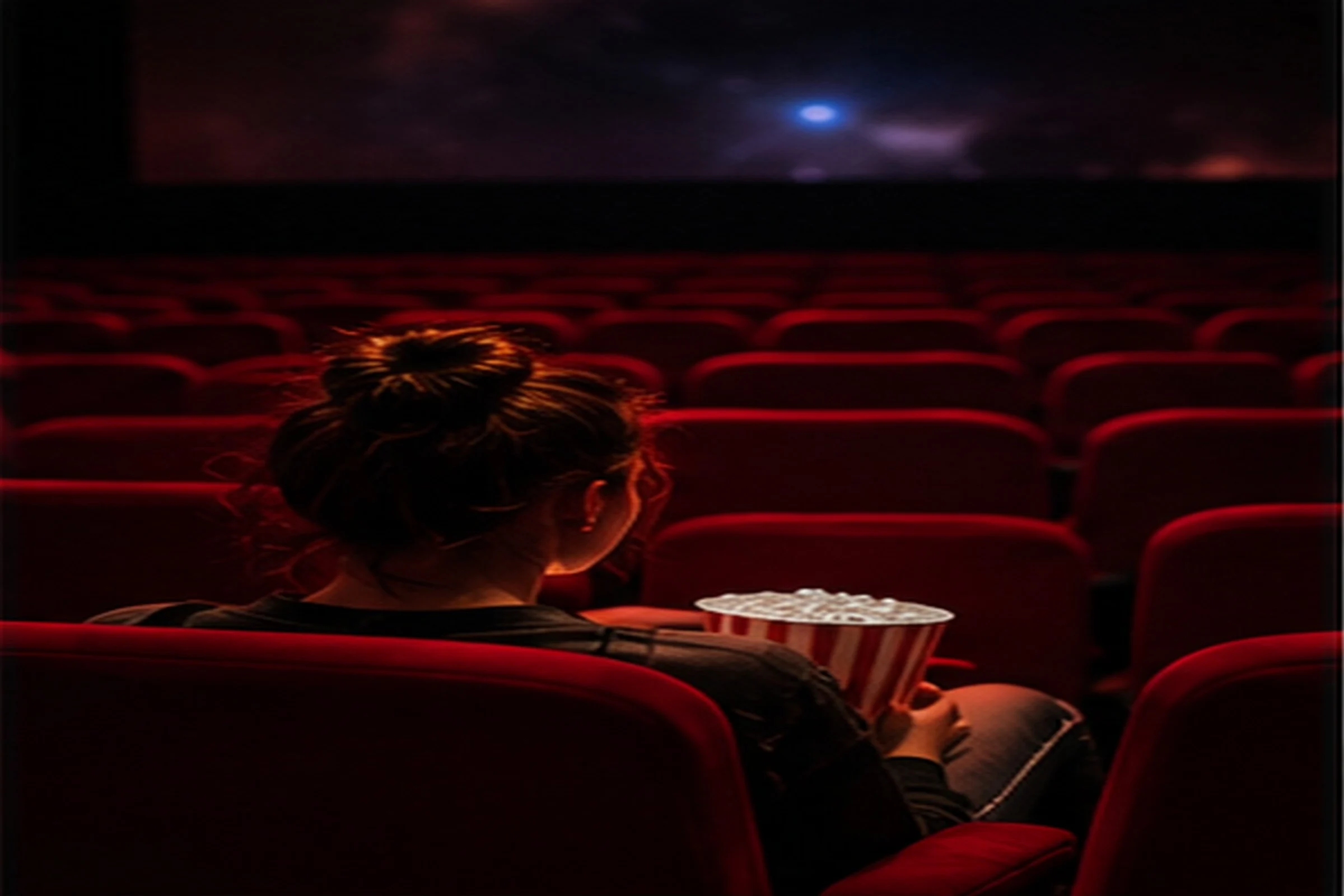
Is it weird to go to the movies alone? Consider what going to the movies involves. You buy a ticket. You walk into a dark room. You sit in a chair facing the same direction as everyone else, and for two hours nobody is allowed to speak, look at their phone or turn to the person next to them for a chat. If someone does, the whole room resents them. The cinema is about the only social outing in modern life where talking to your companion is considered bad behaviour. It is practically designed for one.
So no, it is not weird. If anything, alone is the most natural way to see a film.
Where the idea came from
The worry about going alone comes from treating the cinema as a date, a group outing, an event you are supposed to share. Somewhere along the way, doing things alone in public started to look like evidence of having nobody to do them with. Eating alone in a restaurant, travelling alone, going to a wedding without a plus-one: each comes with a faint fear that strangers will look and draw conclusions.
They mostly will not. In a cinema they cannot even see you. The lights go down within minutes, and everyone’s attention is on the screen. The only moment anyone might notice you are on your own is the walk to your seat, and the people already sitting there are looking at their phones or their popcorn.
What you get by going alone
You see the film you actually want to see
No negotiation, no compromise film that nobody really wanted, no agreeing to the action sequel because your friend agreed to the slow drama last time. You pick the film, the screening and the seat.
You go when it suits you
A Tuesday afternoon. A late showing after work. The first screening on release day, or the last week a small film is on before it disappears. Going alone means you never miss something because nobody else was free.
You get the film without commentary
No whispered questions about who that character is, no running jokes, no glancing over to see whether the other person is enjoying it. You can laugh, cry, or sit through the credits without anyone hovering by the exit. Many people find they notice more of a film when nobody else’s reaction is competing with their own.
Nobody needs a post-mortem
You can walk out and think about it, or not. You do not have to have an opinion ready by the time you are back outside.
What people worry about, and why it doesn’t matter
“People will think I have no friends.” People in a cinema are thinking about the film, their snacks, and whether the person behind them will stop kicking the seat. They are not doing a census.
“It will feel awkward.” For roughly four minutes, while the ads are on. After that, the lights go down and you are in exactly the same position as everyone else in the room: sitting in the dark, watching.
“What do I do with my hands / my coat / myself?” The same as you would with company. Hold your drink, put your coat on the seat beside you if it is free, watch the film.
“It’s sad.” Choosing to do something you enjoy without waiting for permission is about the opposite of sad.
How to go to the movies alone, if you have never done it
- Choose a weekday or an early showing for your first time. Quieter screenings make it even less noticeable.
- Book your seat in advance if you can. An aisle seat makes it easy to leave for a break without disturbing anyone.
- Pick a film you are really excited to see. The more absorbed you are, the less you will think about being on your own.
- Arrive just before the film starts if the waiting is the bit that bothers you. The trailers give you a few minutes’ grace.
- Treat yourself. The good snacks, the better seat, a drink or dinner afterwards if you like.
- Stay for the credits if you want to. That is entirely your decision now.
The wider point
Doing things alone is a skill, and most people never practise it because they are waiting for company that does not always come. The cinema is the easiest place to start, because it asks almost nothing of you socially. Once you have done it, other solo outings look less daunting: eating out on your own, which Nina Noir has called a quiet luxury, or going to a wedding alone and finding it far less awkward than expected.
None of this is an argument against going with friends. Watching a film with people you love is a pleasure of its own, and so is arguing about it afterwards. The point is simply that company is optional. If you have been putting off a film because nobody could come, you do not need to wait.
Buy one ticket. Sit in the dark. Watch the film.