How to break in new shoes without blisters
Do the wearing-in at home, in short stretches, before the shoes have to carry you anywhere. And learn to tell stiff shoes from shoes that will never fit.
New shoes have a way of looking perfect in the shop and turning on you by lunchtime. The answer is not to suffer through it on the first long day, but to do the wearing-in somewhere it does not matter: at home, in short stretches, before the shoes have to carry you anywhere.
Here is how to do that well, and how to tell a pair that needs a little time from a pair that is never going to fit.
Start at home, in short wears
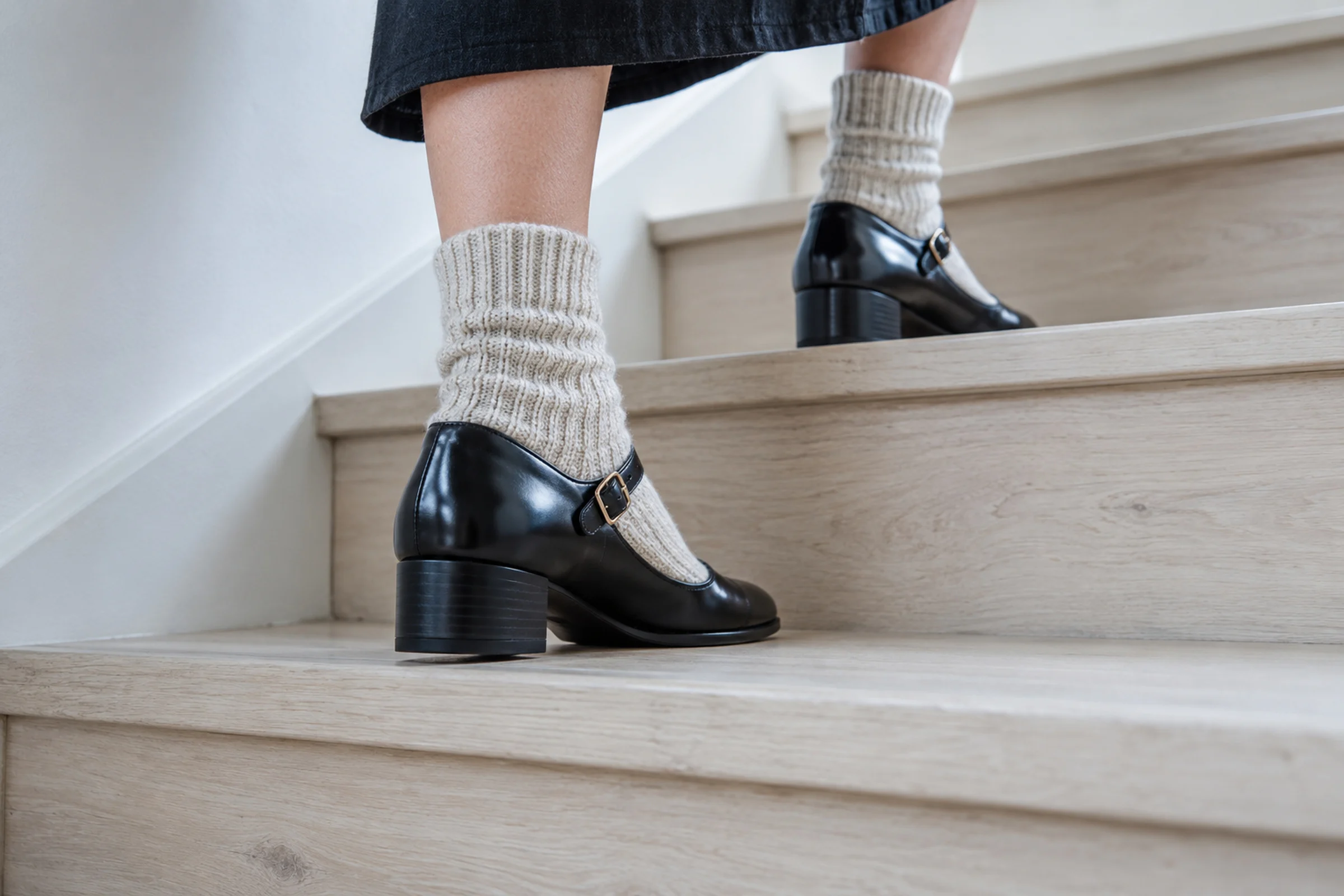
The single most useful thing you can do is wear new shoes around the house before you wear them out. Put them on for an hour or so in the evening while you cook, tidy or walk up and down the stairs. Take them off as soon as they start to rub. Do it again the next day, a little longer.
This does two things. It lets the materials begin to soften and shape to your feet, and it tells you, early and cheaply, where the shoe presses. Wearing them indoors on clean floors also keeps the soles unmarked, which matters if you discover they really do not fit and want to return them. Check the returns policy before you start.
Thick socks, for the right shoes
For closed leather shoes and boots, wearing them around the house with a pair of thick socks gently stretches the upper where it is tight. Walk, flex your feet, climb some stairs, and let the leather give a little. It is slow, but it is the method least likely to spoil the shoe.
It is less useful for shoes that are meant to fit closely without socks, such as some sandals and ballet flats, or for materials that do not give much, such as patent leather and many synthetics.
Match the method to the material
Different materials behave differently, and a method that helps one can ruin another.
- Smooth leather softens with wear and stretches a little over time. Short wears, thick socks and a good leather conditioner are your friends. A shoe stretcher, a wooden or plastic form that you expand gently inside the shoe overnight, can ease a tight spot across the width.
- Suede and nubuck are soft already and usually need little breaking in, but they mark easily and dislike water. Avoid wet methods and keep them away from heat.
- Patent leather has a coating that barely stretches and can crack if forced. If patent shoes hurt in the shop, they are likely to keep hurting.
- Canvas and fabric shoes soften quickly and rarely need much help, though seams can rub.
- Synthetics often do not stretch at all. What you feel on day one is close to what you will feel on day thirty.
- Stiff heel backs on any shoe can be softened by gently flexing and working the back of the heel with your hands, a little each day.
Some people use a hairdryer on gentle heat while wearing leather shoes with thick socks to speed things up. Use it with care, if at all: too much heat can dry leather out, crack finishes and weaken glues. Follow with conditioner, and never use it on patent, suede or synthetics.
Protect the places that rub
Even shoes that fit well can catch at the back of the heel, the little toe or the top of the foot while the materials are still stiff. A few simple things help:
- Wear socks or tights that are smooth and fit well; seams and wrinkles create friction.
- Put a small protective plaster, a gel pad or a strip of moleskin on the spots you know tend to rub, before you set out rather than after.
- Anti-friction balms or sticks, rubbed on the skin or inside the shoe where it catches, reduce rubbing.
- Heel grips stuck inside the back of the shoe can stop your foot sliding up and down if the shoe is slightly loose at the heel.
Carry a couple of plasters in your bag for the first few outings. It is far easier to deal with a hot spot the moment you feel it than after another hour of walking.
Do not break in a shoe that does not fit
This is the part most people learn the hard way. Breaking in softens a stiff shoe; it does not change its size or shape. Leather can give a little in width. It will not make a shoe longer, or make a narrow toe box wide, or move the point where the shoe bends to match where your foot bends.
A shoe that is too short, squeezes your toes, or presses hard on the joint at the side of your foot in the shop will almost certainly do the same in a month. So will a heel that slips badly however you lace or buckle it. The pain is not a phase; it is information.
When you try shoes on, do it later in the day, when feet tend to be at their largest, wearing the socks or tights you will wear with them. Walk around the shop on a hard floor as well as on the carpet. If the shoe needs to be “broken in” before it stops hurting, it may simply be the wrong shoe. Clothes are supposed to fit you, and shoes most of all.
What not to do
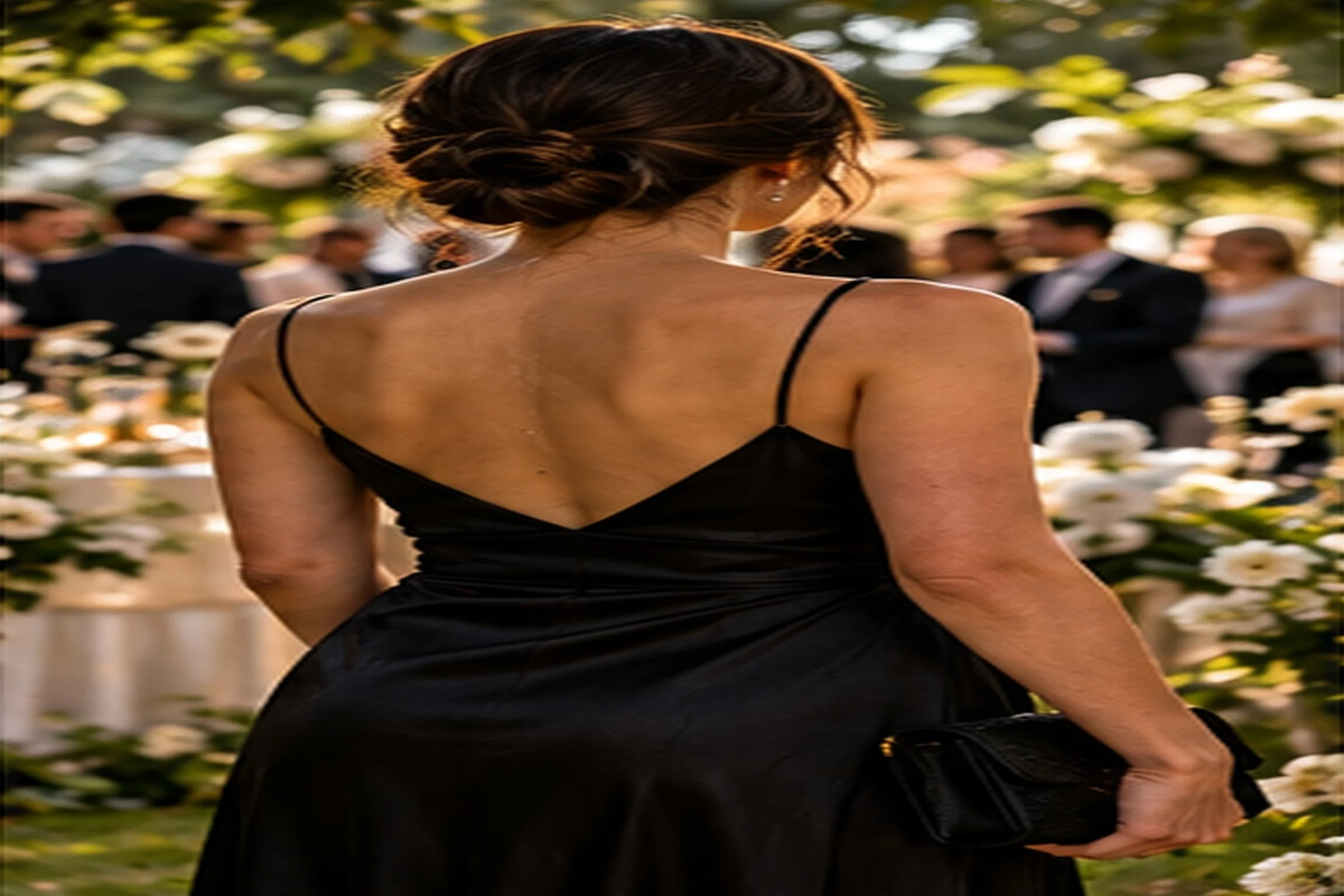
- Do not wear brand-new shoes for the first time on a wedding, a long day of sightseeing or a day of travel.
- Do not soak leather shoes and wear them wet to “mould” them; it can stain, shrink and stiffen the leather as it dries.
- Do not use direct heat, radiators or a hairdryer on high to soften shoes.
- Do not cut, slit or bend the shoe sharply to make it fit.
- Do not keep wearing a pair that hurts in the same place every time. A cobbler can often stretch a specific spot properly; otherwise, the shoe is not for you.
Look after them once they fit
Once the shoes are comfortable, keep them that way. Let leather shoes rest for a day between wears so they can dry out, use shoe trees to help them keep their shape, and condition leather from time to time. Shoes chosen and looked after well last for years, which is part of buying well in the first place.
Give new shoes a week of short, easy wears before you ask anything big of them. Most good shoes will meet you halfway. The ones that will not are telling you something useful.