Your children will want photos of you, not the body you wish you had
Children forget most of their early years, so photographs become their memory. Why you belong in them, even if you would rather hold the camera.
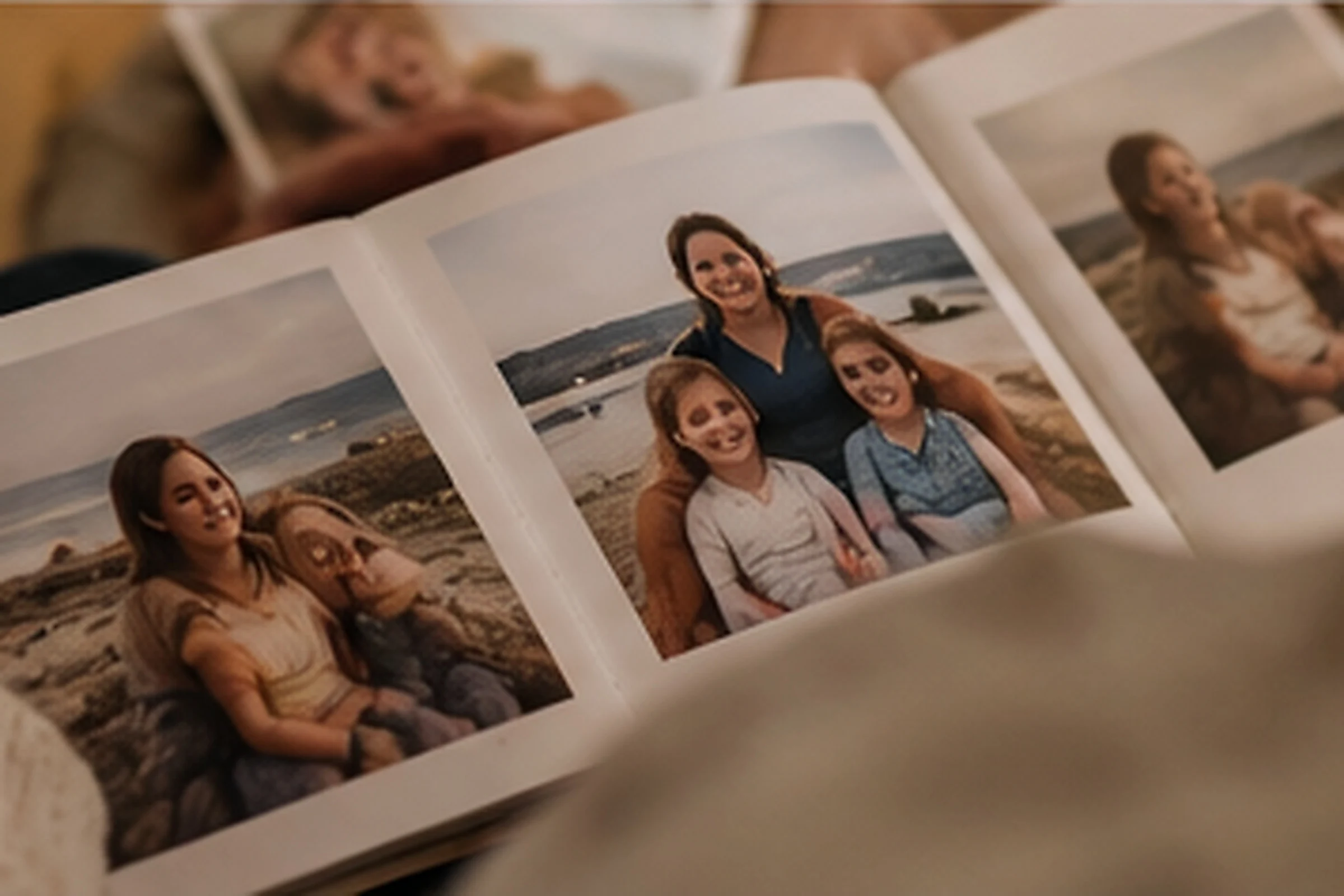
Here is something about your children that is easy to forget while you are busy raising them: they will not remember most of these early years.
Not the first bath, the first steps, the afternoons in the park, the songs at bedtime. Most adults’ earliest memories date from around the age of three or three and a half, and memories from the years that follow are patchy for a long time after that. The early years you are living so intensely are years your children will largely know about second-hand — from stories, and from photographs.
Which makes the photographs something more than keepsakes. For a large part of your children’s lives, they are the memory. And if you are not in them, then as far as the record is concerned, you weren’t there.
What you are waiting for
If you are someone who steps out of the picture, you probably have a reason that feels sensible. You will be in them later, when you have lost the weight. When your skin is better. When you have something decent to wear. When you feel more like yourself.
A great deal of life gets postponed while we wait for a better body, and photographs are where that postponement is least forgiving. You can buy the dress later. You can take the holiday later. You cannot go back and be photographed with your four-year-old once your four-year-old is fourteen.
They are not looking at what you are looking at
When you look at a picture of yourself, you see an inventory: the arms, the chin, the stomach, the thing you always notice first. Years of practice have trained your eye to go straight to it.
Your children have had none of that training where you are concerned. What they will look for, in twenty years, is you — your face, your expression, the way you held them, which jumper you always wore, whether you were laughing. The body you wish you had would be, to them, a stranger in their mother’s place. The one you actually have is the one that carried them, fed them and sat up with them when they were ill. It is the only version of you they have ever known. It is the one they will want to find.
This isn’t an argument that you ought to love every photograph of yourself. You probably won’t, and that is fine. Confidence is much quieter than that — mostly it is just turning up while feeling ordinary. You do not need to like the picture. You need it to exist.
How to actually get into the photographs
- Ask. “Could you take one of me with them?” is a perfectly ordinary request. Most people are glad to be asked, and it takes ten seconds.
- Hand the camera over. Older children are often delighted to be made the family photographer. Their pictures will be wonky and full of thumbs, and they will include you, which is the point.
- Use the timer. Prop the phone on a shelf or a stack of books, set the self-timer and get in the shot. It feels self-conscious for about the first three times.
- Photograph the ordinary. Some of the best pictures of a parent are not posed at all: reading on the sofa, stirring a pan, walking to school, asleep with a toddler on top of them. Ask someone to catch you in those moments.
- Don’t delete in the moment. The instinct to judge a picture the second it is taken is strongest and least reliable right then. Leave them for a month. You may find you mind far fewer of them than you expected.
- Record some video. A photograph keeps your face. A video keeps your voice, your laugh and the way you say their name, which they will miss just as much.
- Print a few. Put some of the pictures with you in them into frames and albums, where your children will see them every day and grow up knowing that you belong there.
What they learn from watching
There is one more reason, and it may matter most. Children notice who hides from the camera. A mother who ducks out of every photograph is teaching, without a word, that a body like hers should not be seen. There is research suggesting that daughters absorb their mothers’ criticisms of their own bodies — one reason the mother who is never in the photos matters more than she thinks.
The reverse is also true. A parent who stands in the picture, wearing whatever she happened to be wearing, arm around her children, is teaching something too: that you do not have to earn your place in your own family’s story. You were always in it. The photographs should say so.
Your children won’t remember the afternoon in the park. They will remember the photograph of it, and they will look for you first. Give them something to find.